The Part of ADHD Nobody Warned You About
You cry in the car after a meeting that went fine. A text that just says "k" ruins your afternoon. Someone interrupts you mid-sentence and the anger shows up before you've decided to be angry. Then, an hour later, you're wondering why you can't just be normal about things.
If you have ADHD, especially if you're a woman, there's something you may have never been told: that whole pattern is part of your ADHD.
Most of us learned that ADHD is about focus. Losing your keys, missing deadlines, zoning out in class. And it is. But for a lot of people, the part of ADHD that shapes their life the most is emotion.
ADHD lives in the same place your feelings do
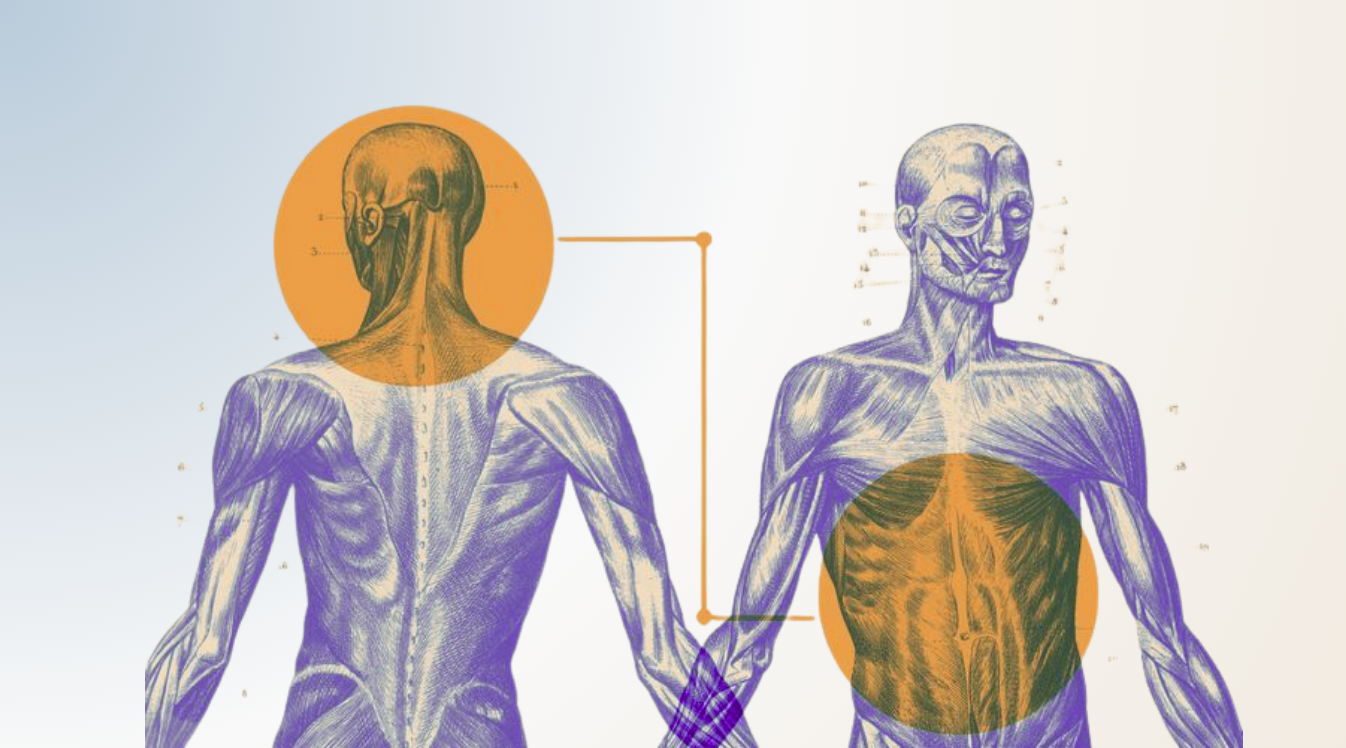
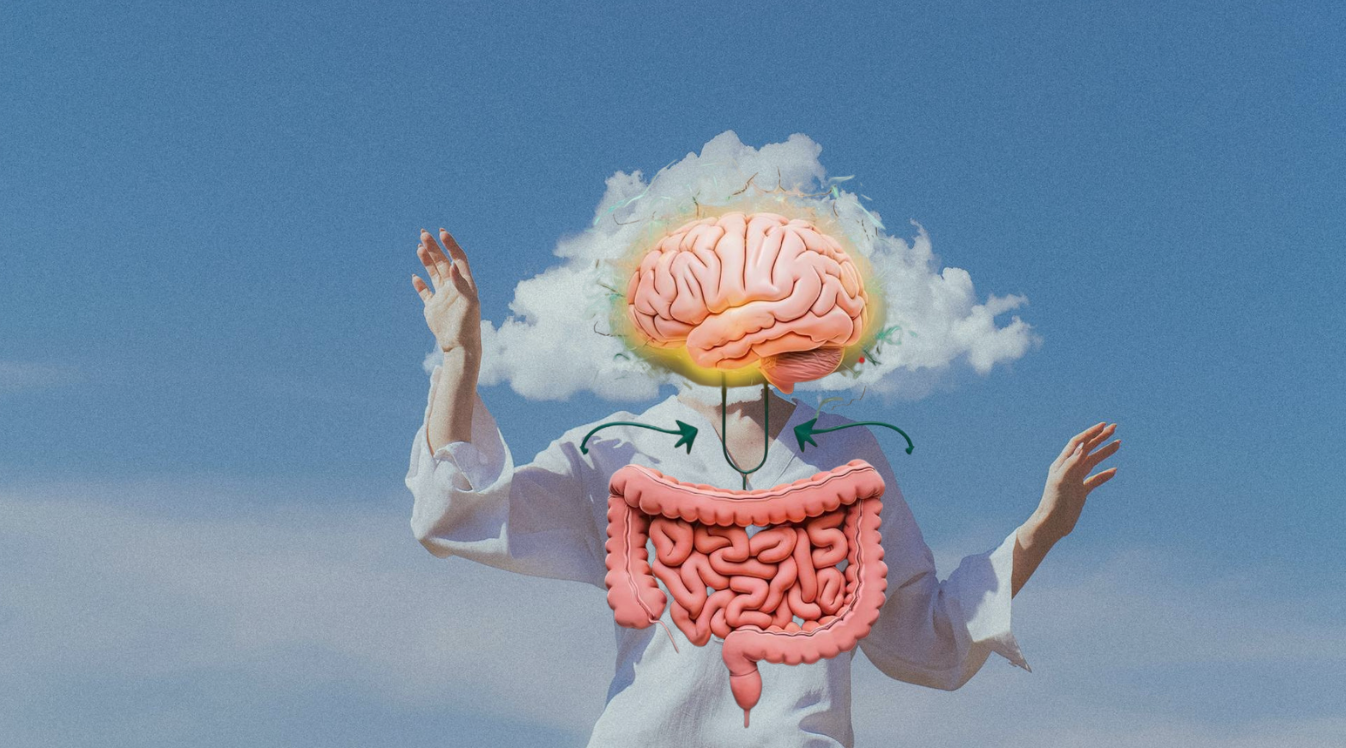
Here's what the research has been quietly piling up for years: the brain regions involved in ADHD, like the prefrontal cortex and the amygdala, are the same regions that handle emotional processing. Attention and emotion run on shared circuitry, so when one struggles, the other usually struggles with it.
That's why researchers increasingly consider emotional difficulty a core feature of ADHD, with one study finding that around 70% of adults with ADHD experience emotion regulation difficulties. And yet the official diagnostic criteria still center entirely on inattention, hyperactivity, and impulsivity. Emotion never comes up.
So people go their whole lives thinking they have two problems: a focus problem they can name, and a "being too much" problem they blame themselves for.
Why women hear "you're just sensitive"
ADHD was studied in boys for decades, so the picture we inherited is an external one: the kid bouncing off the walls. In women, ADHD tends to run quieter and more internal. The restlessness happens inside. The impulsivity shows up as saying the thing you didn't mean to say, or spiraling into a decision you regret an hour later.
And the emotional side tends to hit harder. Women with ADHD report more mood swings, more frustration, and more anxiety and depression than men with ADHD. There's also something that gets overlooked a lot: while emotional dysregulation often eases for men as they get older, for women it tends to stick around.
Because so little of that matches the "classic" ADHD picture, it gets a different label. Moody. Dramatic. Anxious. Too sensitive. A lot of women go undiagnosed until their twenties or thirties, and by then they've spent years building a story about themselves out of those labels.
The "k" text, explained
If there's one piece of this that makes women with ADHD sit up and say that's me, it's usually this one.
Rejection sensitive dysphoria, or RSD, is the name for a pattern many people with ADHD recognize immediately: an intense, almost physical wave of pain in response to real or perceived rejection, criticism, or falling short. It lands far bigger than the moment seems to warrant. A friend takes a day to text back and your brain decides the friendship is over. Your supervisor gives you one note and you spend the night replaying it. You sense the smallest shift in someone's tone and feel it in your chest before you've even processed what they said.
RSD sits outside the DSM for now, and the research is still catching up. But clinically, it's one of the most common things people with ADHD describe, and it makes sense given everything above: a brain that struggles to regulate emotion is also going to struggle to regulate the emotion of feeling unwanted, which is one of the most powerful ones we have.
For women, RSD tends to get tangled up with everything else. It's a big part of why so many women with ADHD become perfectionists, people-pleasers, or expert maskers. If rejection feels unbearable, you organize your life around never risking it. You over-apologize. You over-prepare. You stay quiet in the meeting. You stay in the relationship. You become very, very good at reading the room, and very tired from doing it.
And because the pain is so out of proportion to the trigger, it becomes one more thing to feel ashamed of. You know, logically, that the "k" text is fine. Your body missed that memo entirely.
What I heard when I asked
In college, I interviewed young women with ADHD about how their medication affected their emotional lives. What stuck with me most was how many of them described the same tension. Medication helped them slow down, think before reacting, and stop the spiral. Several said it was the first time they felt like they could separate what they were feeling from what was actually happening.
But some of the same women described feeling flattened. Less joy, less spontaneity, a sense of being "not myself." Almost all of them talked about the crash at the end of the day, when the medication wore off and the irritability came roaring back.
What I took from those conversations is that focus is only half of the picture. You can be on the right treatment for your attention and still have no idea what to do with your feelings.
What actually helps
The first thing that helps is the thing you're doing right now: understanding that your emotional intensity has a neurological explanation. That alone tends to loosen the shame. It's a lot easier to work with a feeling when you've stopped fighting the belief that you shouldn't be having it.
From there, the work in therapy tends to look like this:
Building the pause. ADHD brains move fast, so the gap between feeling something and acting on it can be nearly nonexistent. Skills drawn from DBT and mindfulness are about widening that gap, so the feeling still arrives, but you get a say in what happens next.
Naming what's under the reaction. A lot of ADHD "overreactions," and most of what RSD stirs up, carry years of accumulated experiences of being told you're too much, too slow, too scattered. Therapy helps you notice that history when it shows up, so you can respond to today at today's size.
● Making peace with the intensity. Feeling things deeply can be one of the best parts of an ADHD brain once you know how to work with it. The goal is to keep the depth while gaining steadier footing underneath it.
At Our Kind Therapy, this is the kind of work we do: helping you understand yourself well enough that your emotions start functioning as information you can actually use.
A different way to think about it
If you've spent years wondering why everyone else seems to feel things at a volume you can't manage, it might be worth considering that you've been working with a brain that runs differently, and nobody handed you the manual.
"How does my brain work?" is a much kinder question than "what's wrong with me?" It's also the one we'd like to explore with you.
Written by Our Kind Therapist Emma Hinckley, MHC-LP