Is It Your Heart or Anxiety? Cardiologist Dr.Ambreen Mohamed Explains the Mind-Body Connection
This is an Our Kind of Human interview led by therapist Hillari Levine. You can watch the full conversation on our youtube channel here.

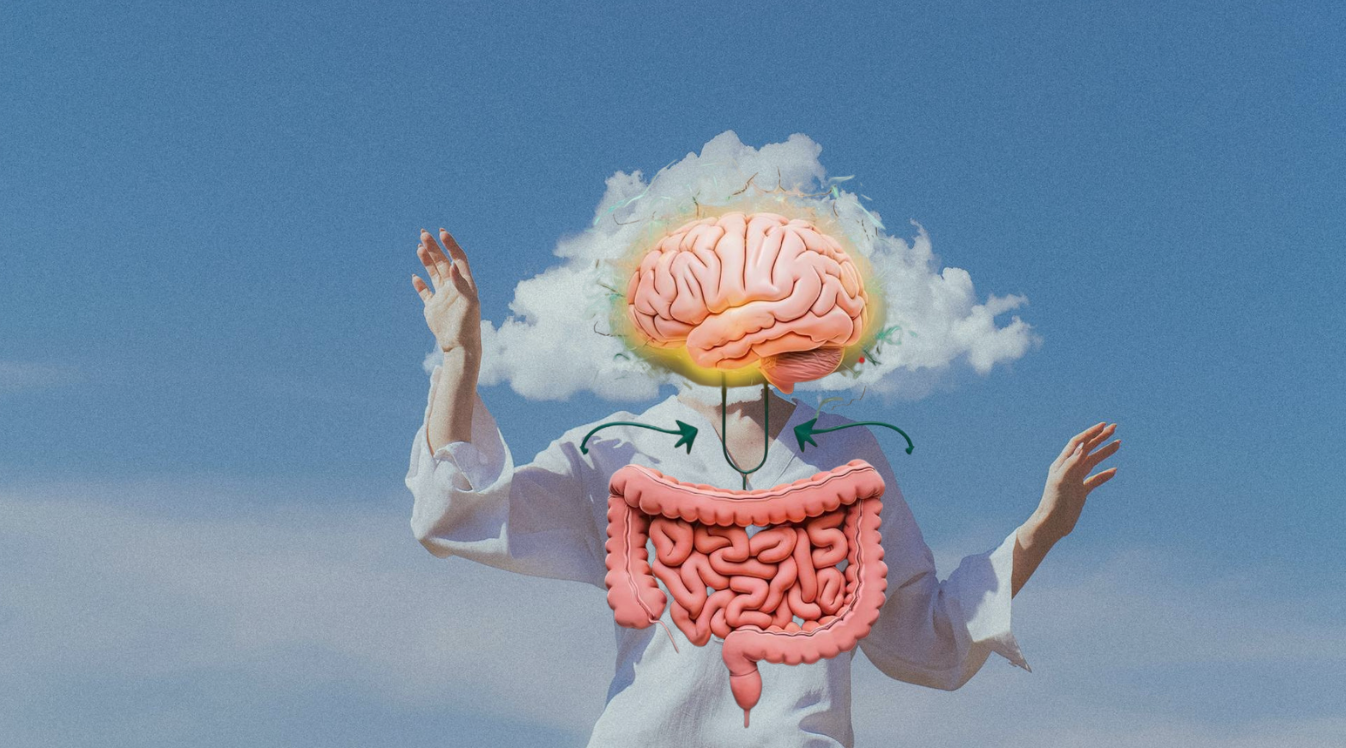
In the hustle and bustle of modern life, many of us prioritize physical health while neglecting the unseen struggles of mental well-being. But what if we told you that the two are intricately linked? In this post, we’ll explore the physiological connection between chronic stress, anxiety, and heart health, highlighting why mental health care should be viewed as a crucial aspect of preventative medicine.
Meet the Cardiologist Who Asks About Your Feelings
Dr. Ambreen Mohamed is an advanced imaging and preventative cardiologist based in San Diego, where she also leads medical education at a cardiology health tech company and has become a go-to voice on South Asian heart health. In other words: she knows hearts. What makes her worth listening to is that she refuses to treat the mind as someone else's department.
That refusal is personal. Dr. Mohamed has lived with anxiety and depression herself, and she grew up in a South Asian household where, by her own account, the subject rarely got the importance it deserved. "Unfortunately, we don't talk about it enough," she says. "Things are kind of swept under the rug." So when she went into medicine and her patients started arriving with chest pain and racing hearts, she learned to ask the question most physicians skip: what's sitting behind this? More often than not, there's an emotional reason driving the very physical symptom in the room.
"Taking care of your heart is just as important as taking care of mental health. And if you're able to align both, you actually have a better outcome."
What Stress Is Really Doing to Your Heart
Here's the short version of the science. When you're chronically stressed, your sympathetic nervous system (fight or flight) stays switched on, and your cortisol (the stress hormone) stays high. Handy if you're outrunning a threat. Quietly corrosive if it never lets up.
Left unchecked, prolonged stress and unaddressed anxiety can:
Raise your heart rate and blood pressure, which over time wears on your cardiovascular system
Trigger chest pain, palpitations, and shortness of breath: the exact symptoms that send people to a cardiologist convinced it's their heart
Keep cortisol elevated, driving up inflammatory markers (like CRP) that contribute to plaque building up in your arteries
Damage the lining of your blood vessels (endothelial dysfunction), inviting even more plaque
Shift fat to your midsection: the metabolically active "visceral" kind most linked to heart disease
Fuel insulin resistance and higher blood sugar, nudging you toward prediabetes and diabetes
Set the stage for arrhythmias like atrial fibrillation
Erode the basics: sleep, appetite, the will to move, that protect your heart in the first place
Now line those up: high blood pressure, inflammation, visceral fat, insulin resistance, arrhythmia. That's not a random list, it's essentially the recipe for heart disease. Which is the whole point. Your mental health isn't sitting in a separate room from your heart. It's in the same room, pulling levers.
What You Can Actually Do About It
The good news is that the same connection working against you can just as easily work for you. A few things Dr. Mohamed keeps coming back to:
Name it. The first step is simply noticing, this feels different than it used to, instead of sweeping it under the rug. You can't address what you won't acknowledge.
Move your body, even a little. It's literally written into cardiology's preventative guidelines, and the payoff runs straight up into your mood: more endorphins, more clarity, a release valve for a hard day. You don't need a marathon. Ten or fifteen minutes counts. Start there and compound it. It's not easy, Dr. Mohamed is the first to admit it, but the discipline becomes its own kind of medicine, building the self-trust that makes tomorrow's version easier.
Talk to someone. A trusted provider, a friend, a therapist. Sometimes the thing that started as palpitations becomes the first real conversation you've ever had about your mental health.
Advocate for yourself. If a provider brushes you off, runs three tests, and waves you out the door, that may not be the right provider for you. You're allowed to be seen by someone who actually sees you.
"Nobody is anybody to tell you that what you're feeling isn't real. You as a patient have agency."
Because the heart of the matter, it turns out, was never just the heart.
You can follow Dr. Mohamed at @drambreenmohamed, where she breaks down heart health for South Asians and makes the case for whole-person medicine.
And if this stirred something loose, that's worth listening to. Treating your mental health as preventative care is one of the most loving things you can do for your body. Book a consult with Our Kind Therapy today.
Interviewed by Hillari Levine for Our Kind of Humans.