
Therapy for Bicultural Identity in NYC
Culture & Family Dynamics | Attachment-Based, Experiential Individual & Couples Therapy at Our Kind Therapy
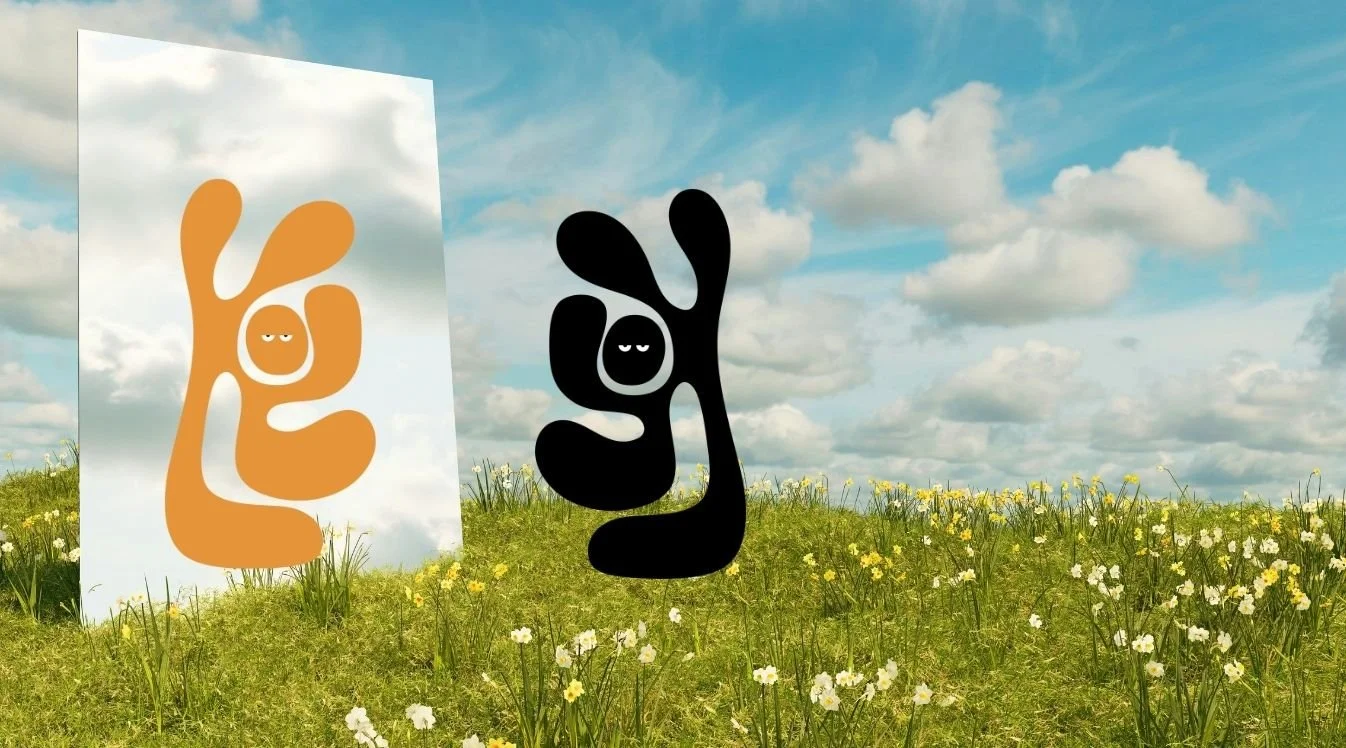
Living across cultures teaches you how to adapt early. You learn how to read the room, adjust your tone, and shift how you show up depending on where you are. You move between languages, customs, and expectations with ease. And yet, there is often a quiet sense of being in-between. Belonging in more than one place, but never whole in any one place.
Over time, this adaptation can begin to feel like a split. Not because you lack identity, but because belonging has often required you to adjust yourself in ways that were never fully acknowledged.
At Our Kind Therapy, we understand bicultural identity as a lived emotional experience shaped by movement, family, and attachment. Not confusion. Not indecision. Not something that needs to be simplified.
What Bicultural Identity Often Feels Like
Bicultural identity often carries a quiet sense of in-between.
You may recognize:
feeling different depending on the context you are in
belonging everywhere and nowhere at once
constantly translating yourself emotionally, not just linguistically
being asked where you are “really” from
guilt for feeling distant from one culture or the other
Many people become highly adaptable while quietly longing to feel settled and whole in their own lives.
How the Question of Belonging Becomes Internal
When you grow up across cultures, belonging is something you learn to manage.
You learn:
Which parts of yourself are welcome where
How to code-switch to maintain harmony
How to anticipate expectations before they are spoken
How to suppress parts of yourself to stay connected
Over time, the question shifts from Where do I belong? to Who am I allowed to be here?
This is not identity confusion. It is an internal experience shaped by repeated transitions, adaptation, and the need to stay emotionally attuned to different environments.
The Grief Beneath Adaptation
Bicultural lives often carry unacknowledged grief.
Grief for:
versions of yourself shaped by different places
friendships lost to distance and change
family expectations that no longer reflect your lived reality
the idea of a single, uncomplicated home
Because nothing overtly “bad” happened, this grief is often minimized, by others and by yourself. And yet, something meaningful was repeatedly left behind.
Bicultural Identity in Individual Therapy
In individual therapy, we focus on:
integrating multiple cultural identities without hierarchy
reducing the internal pressure to constantly adapt
processing grief tied to movement, loss, and transition
building an internal sense of home and safety
clarifying values that feel true across contexts
This work is not about choosing one culture over another.
It is about allowing your identity to feel whole rather than divided.
Bicultural Identity in Couples Therapy
Bicultural identity often enters relationships in subtle ways.
Couples may experience:
misunderstandings rooted in cultural assumptions
differences in family expectations or traditions
tension around belonging, home, or future planning
conflict around communication styles shaped by culture
one partner feeling unseen, misinterpreted, or unanchored
In couples therapy, we help partners understand how cultural context shapes emotional responses and behavior, so differences do not quietly turn into distance.
How This Work Begins to Shift
Before clients say “I feel settled,” we often notice:
less internal restlessness
reduced the need to explain or translate themselves
more ease in moving between worlds
clearer emotional boundaries
a growing sense of internal continuity
Belonging becomes something you carry internally, rather than something you feel pressured to earn or pursue in every setting.
How We Work With Bicultural Identity at Our Kind Therapy
This work sits at the intersection of culture, family, and attachment. Our approach is relational, experiential, and culturally attuned. Modalities that often support this work include:
attachment-based therapy to support safety and continuity
experiential work to integrate emotion across contexts
narrative therapy to examine inherited stories of belonging
somatic work to help the body settle and orient
We do not ask you to reduce your identity.
We help you live inside it with more ease.
When Identity No Longer Feels Split
Bicultural identity is not a problem to solve. It is a reality to integrate. Therapy helps you move from feeling divided to feeling anchored, without losing the depth, perspective, and resilience that come from living across worlds.
If you are seeking bicultural identity therapy in NYC and want work that understands culture, family dynamics, and emotional integration, Our Kind Therapy offers a space where complexity is welcome and understood.
