
3 Signs Your Nervous System Is Dysregulated
Therapy for Nervous System Regulation in New York
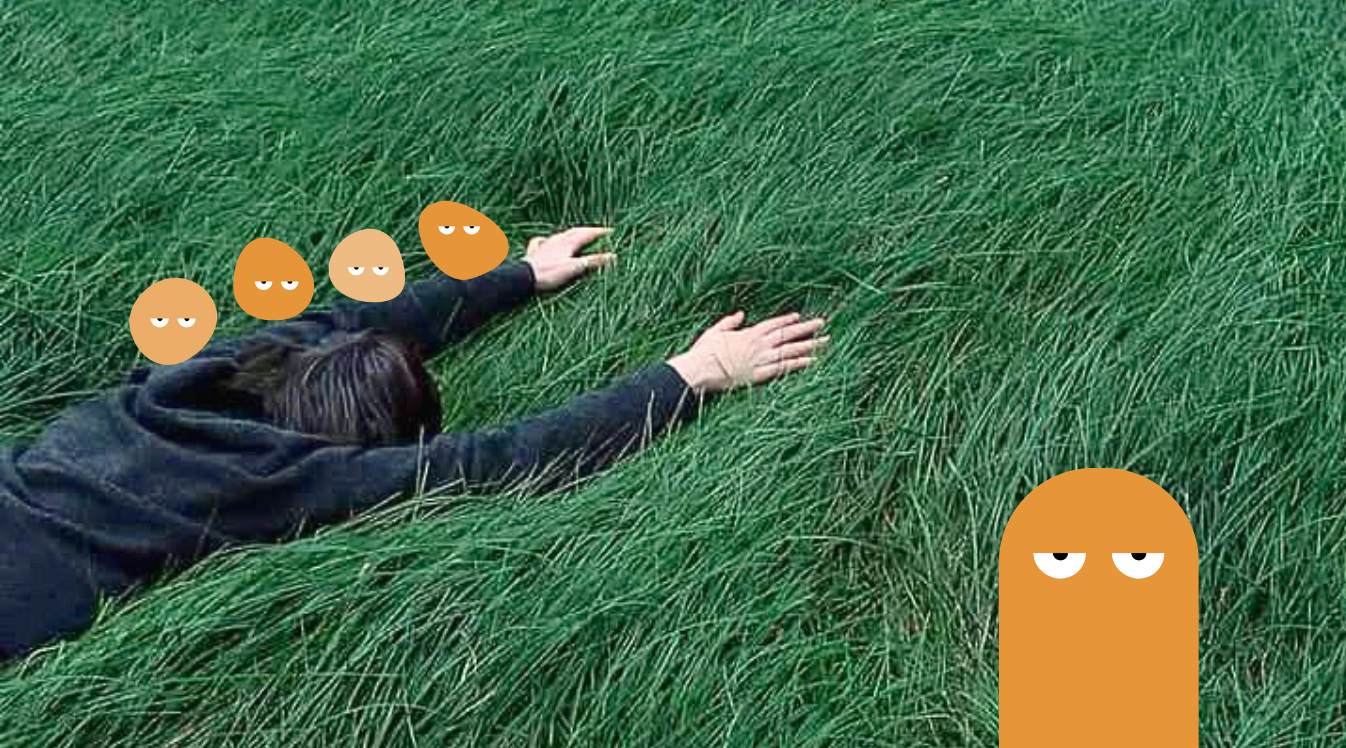
Nervous system dysregulation doesn’t always look dramatic. Often, it looks functional. You meet deadlines. You respond to messages. You show up. But internally, your system feels tight, wired, foggy, or one step away from overwhelm.
Dysregulation simply means your nervous system is having difficulty returning to baseline after stress. Instead of mobilizing and settling, it stays activated, or goes offline.
Here are three signs your nervous system may be carrying more than it can comfortably process.
1. You Can’t Downshift
When the day slows down, your body doesn’t. You feel restless. Guilty. Agitated in stillness. Or you stay in “task mode” long after tasks are complete. A regulated system can move from activation to rest. If rest feels unsafe, your body may be stuck in protection.
2. You Swing Between Overdrive and Shutdown
Some days you’re hyperfocused, productive, intense. Other days you feel foggy, heavy, unmotivated. This isn’t inconsistency. It’s physiology. When activation runs too long, the system eventually flips into collapse. When the system perceives overload, it reduces access to energy and feeling.
3. Your Body Holds Stress Long After It’s Over
Tight jaw. Tight shoulders. Headaches. Stomach tension. The stressful moment passes, but your body doesn’t complete the cycle. Stress that isn’t discharged gets stored.
How Regulation Begins to Return
We don’t regulate through insight alone.We regulate through experience. Here are five practices drawn from Somatic Experiencing and experiential therapy:
1. Orienting
Slowly look around the room. Name three neutral objects. Let your eyes land.
This signals to your brainstem: right now is not an emergency.
2. Lengthen the Exhale
Inhale normally. Extend the exhale by a few seconds.
The long exhale activates parasympathetic settling.
3. Track Sensation
Notice one neutral or pleasant sensation (warmth in your hands, support under your feet).
Regulation grows where attention goes.
4. Complete Small Stress Cycles
Stand up. Shake out your hands. Roll your shoulders. Tiny physical completions teach the body that activation can resolve.
Nervous system regulation rarely feels like a dramatic breakthrough. More often, it happens in small, intentional moments woven into daily life: consciously releasing tension in your jaw, taking one longer exhale before responding, allowing your shoulders to drop after a difficult email, finishing a stress cycle instead of carrying it forward.
These moments may seem minor. Physiologically, they are not. Each time you orient to the present, soften a braced muscle, or complete a small activation loop, you are teaching your nervous system that the current moment is survivable. Safety is reinforced through repetition, not intensity.
Over time, these small acts of attention accumulate. The body begins to trust that it does not have to remain on guard. Regulation becomes more accessible not because you forced calm, but because you practiced returning to it.
If you are seeking therapy for nervous system regulation in New York, Our Kind Therapy offers experiential, attachment-based work that helps your system move from chronic protection toward steadiness in a way that is sustainable and respectful of your pace.
→ Explore Full Mental Health & Resilience Specialties
→ Explore All Our Specializations
