When Healing Feels Like a Full-Time Job: Autoimmune Disease and Health Anxiety

If you live with an autoimmune condition, the exhaustion isn't just physical. It's the endless researching, the meticulous symptom-tracking, maybe the avoidance of certain foods or the introduction of drastic lifestyle changes in an effort to reduce flare ups. You're doing everything "right" and it’s overwhelming.
As a psychotherapist, I see this pattern constantly: when the body experiences a chronic vulnerability, the mind naturally tries to control its way out of the distress. Managing an autoimmune disease means managing constant unpredictability in a high-stakes situation: your health. When your body has betrayed your sense of safety once, your nervous system naturally stays on high alert, waiting for it to happen again, so it's only logical to respond with hypervigilance, lifestyle adjustments, late-night Reddit scrolling, the list continues... But these relief-seeking behaviors can also create a cycle that often reinforces anxiety. Let’s talk about how to break the cycle that feeds into health anxiety.
The Physiology of Anxiety in a Dysregulated Body
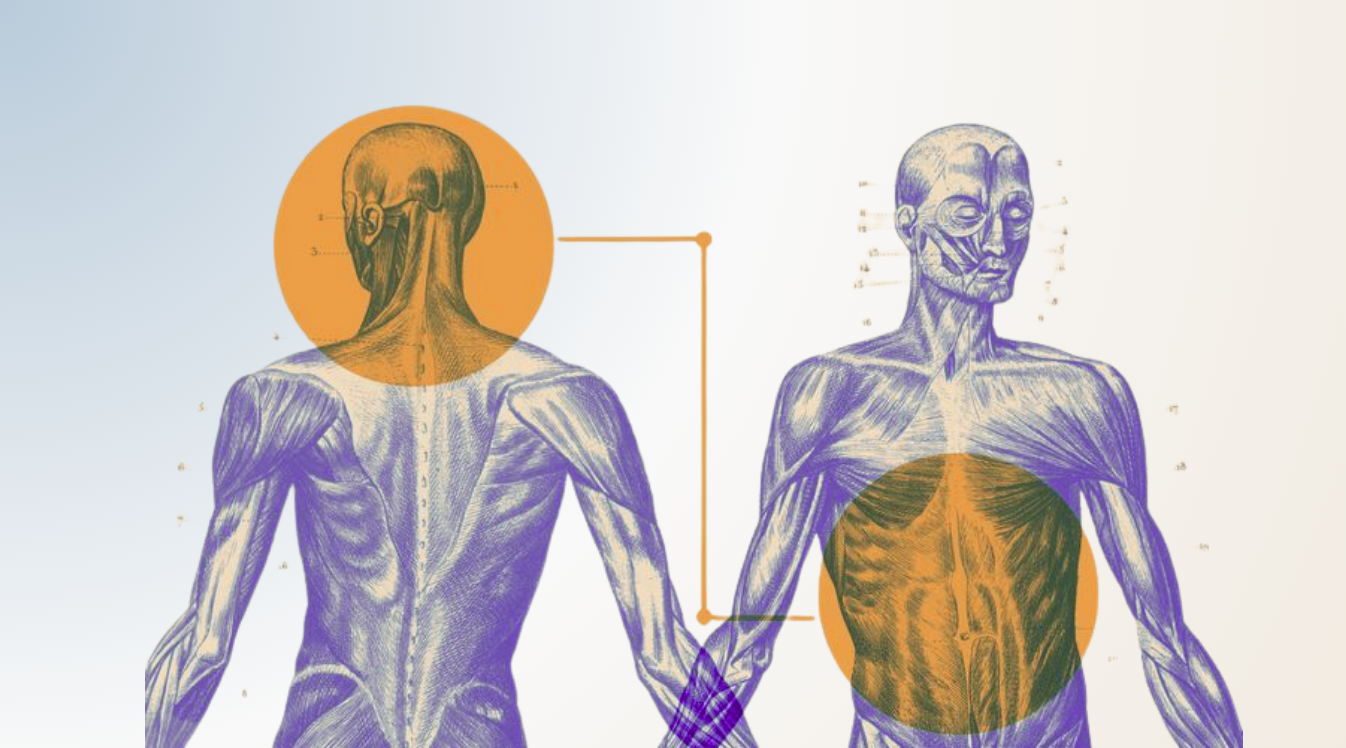
It's worth naming that your anxiety isn't just "in your head." Nutrient deficiencies and blood sugar swings, both common in autoimmune conditions, directly impact the neurotransmitters responsible for calm, like serotonin, dopamine, and GABA. Some of what feels like an anxious mind is actually a dysregulated body. Both deserve care and treatment, and neither deserves shame.
The Rulebook Mentality: When Wellness Mimics Control
Health anxiety doesn't always look like panic. Often, it shows up as control. Clinically, it tends to function as a loop: an intrusive fear shows up ("What if this minor symptom means my condition is permanently worsening?"), which triggers a relief-seeking behavior (reassurance-checking, or an overly restrictive lifestyle) which brings temporary relief to the worry. That temporary relief teaches your brain to repeat the behavior the next time you feel uncertain or unsafe, and on the flip side, it also teaches your brain to feel nervous when you don’t seek control.
Over time, this builds a rigid internal rulebook: an ever-growing list of foods you can't eat, symptoms you have to constantly check, or routine trends to incorporate. And the hard part is that anxiety isn't satisfied by compliance - it's fed by it. Underneath this kind of hyper-vigilant perfectionism is usually a very human feeling of fear.
Why Avoidance Doesn't Protect You
Avoiding restaurants out of fear, cancelling doctor's appointments because you're scared of what they'll say, or going the opposite direction and over-relying on unnecessary medical consultations - these all feel like safety in the moment. However, every time you avoid or over-correct, your brain learns that avoidance or overcorrection is the reason you’re safe - an exhausting loop. What if I told you that the rulebook helps keep you safe temporarily, but learning to handle distress helps you feel safe long-term.
It's also worth naming that food-related fear in chronic illness can sit very close to disordered eating, even when it starts as a medical precaution. If food has become a source of dread rather than nourishment, that's worth bringing into the therapy room.
What Actually Helps: Shifting from Control to Tolerance
Real healing tends to happen when we realize that less can be more: that instead of avoiding or over-controlling, we can practice gradual, supported exposure to uncertainty and let the brain build genuine tolerance. A few ways this looks in practice:
Naming the worst fear. Is it a flare? A lethal reaction? A loss of control? A named fear is something we can work with.
Separating from the anxiety. Through experiential exercises, we can practice "saying hello" to your anxiety, relating to it as something you live alongside, rather than the one thing that defines you. The key is identifying healthy distress from danger. “Saying hello” to your anxiety helps you to tell the difference.
Practicing regulation, not constant calm. You don't need to force stillness or perfection every moment. You just need to build the capacity to give your body space to step off high alert. It’s exposure therapy.
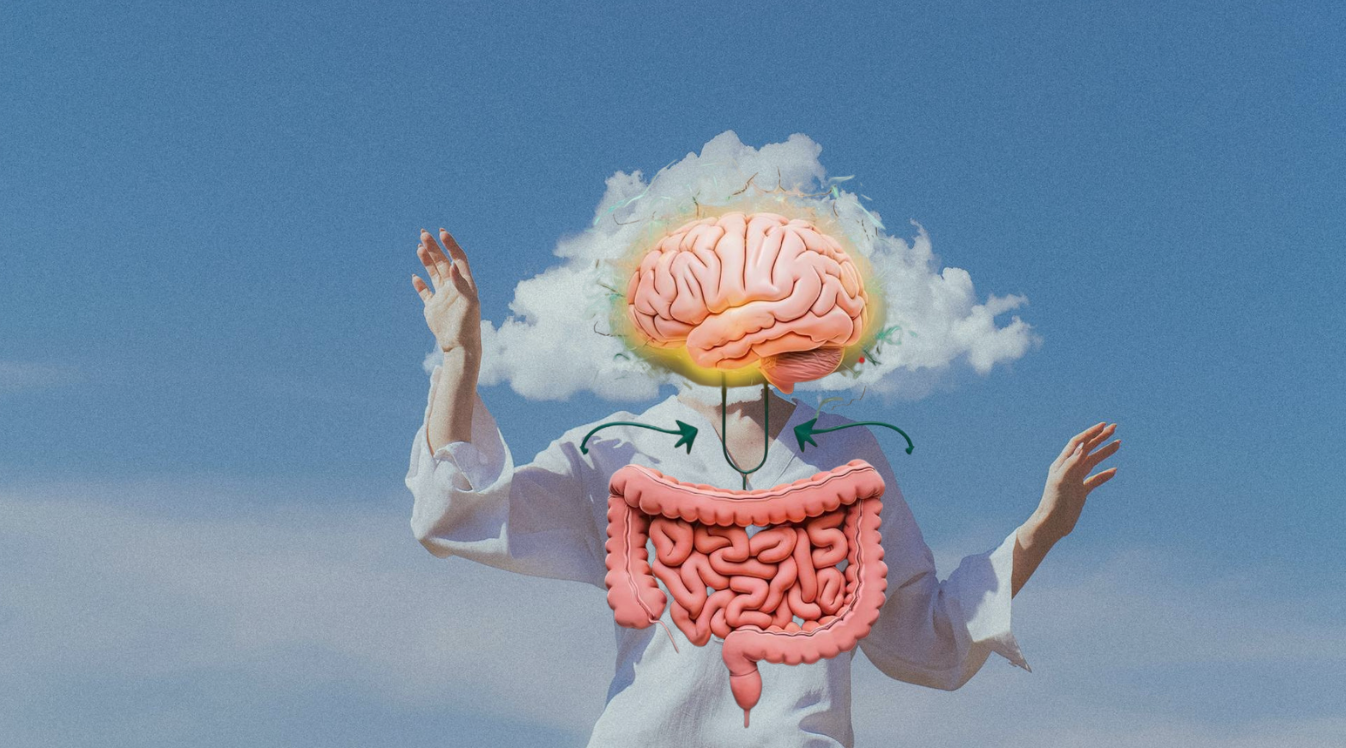
Your physical health and mental health are one connected nervous system finding its way back to safety, and you don't have to do it alone.
Curious to explore how your mind and body can heal together? If the cycle of managing a chronic illness while trying to manage your anxiety feels exhausting, you don't have to untangle it alone. I'd love to help you build the kind of nervous system safety that lasts — you can learn more about my approach and book a consultation on my bio page.
Written by Our Kind Therapist Hillari Levine, MHC-LP

Living with an autoimmune condition often fuels health anxiety and control-seeking. Learn how to recognize the anxiety-relief cycle and build real, lasting safety instead.
We tend to treat physical health and mental well-being as separate concerns, but what if they're deeply connected? Preventative cardiologist Dr. Ambreen Mohamed reveals the physiological link between chronic stress, anxiety, and heart disease, and makes the case for why caring for your mind is one of the most powerful things you can do for your heart.
Dr. Sarah Khan, Integrative and Functional Nutritionist, on the hidden physiology of mood, and why nutrition and therapy heal best together.
Choosing the right therapist can feel overwhelming, especially for first-timers. This guide walks you through how to find a therapist who fits your needs, explore different styles, and build a relationship that supports real growth and breakthroughs.
In this article, you’ll learn three physiological signs your system may be overloaded and four somatic practices that help restore steadiness through small, repeatable moments of regulation.
On February 13, ChatGPT’s update sparked an unexpected human reaction: grief. In this piece, I explore how AI-attachment is forming, what it means when the emotional dependency changes overnight, and how to keep the benefits of ChatGPT without quietly outsourcing your attachment needs to a screen.
In this article, you’ll learn what neurodivergence means, common signs in adults, how masking develops as a survival strategy, and how experiential and attachment-based therapy helps reduce shame and restore authentic self-trust.
Learn how sex therapy supports individuals and couples in understanding intimacy, desire, and emotional safety so closeness can feel connected rather than pressured or performative.
Explore how career loss creates identity grief, why failure can feel emotionally destabilizing, and how therapy helps integrate loss without rushing meaning or reinvention.
Couples therapy helps partners understand conflict, restore emotional safety, and rebuild connection when communication, intimacy, or trust feels strained.
Individual therapy offers a supportive space to slow down, understand emotional patterns, and rebuild internal steadiness while navigating stress, relationships, and life transitions.
Learn how family pressure develops through care, loyalty, and expectation, how it shapes self-silencing over time, and how therapy helps restore voice without severing connection.
Examine how firstborn pressure forms through early responsibility, how it shapes identity and self-sacrifice over time, and how therapy helps restore choice beyond the role you learned to carry.
Explore how boundary issues and people-pleasing develop through attachment and early relationships, why limits can feel unsafe to hold, and how therapy helps restore self-respect without losing connection.
Learn how religious questioning affects identity, belonging, and emotional safety, why doubt can feel so isolating, and how therapy supports honesty without judgment or pressure.
In this article, you’ll explore how intergenerational trauma is carried through family roles, loyalty, and unspoken expectations, and how therapy helps release inherited burdens without rejecting your lineage.
In this article, you’ll find space to name how racialized experience shapes the nervous system, relationships, and self-worth, and how culturally attuned therapy supports BIPOC clients without minimizing identity, history, or emotional reality.
This piece explores how living across cultures shapes identity, belonging, and emotional safety, and how bicultural identity therapy supports integration without asking you to choose or simplify who you are.
This article examines how immigrant and first-generation experiences shape identity, loyalty, pressure, and emotional safety, and how culturally attuned therapy supports integration without forcing separation from family or the self.
This article explores how culture and family systems shape identity, belonging, guilt, and responsibility and how therapy supports differentiation without disconnection in collectivist and values-driven families.
In this article, you’ll learn how breakups and divorce affect attachment, the nervous system, and identity, and how therapy supports emotional stabilization and healing after separation.
In this article, you’ll explore why communication breaks down under emotional pressure and how therapy helps conversations feel safer, clearer, and more connected.
This piece explores how pre-marital counseling supports couples in building emotional safety, communication skills, and shared understanding before marriage.
Dating patterns therapy explores why certain relationship dynamics repeat over time and how attachment-based work helps dating feel clearer, steadier, and more emotionally grounded.
Infidelity and trust issues therapy focuses on repairing emotional safety after betrayal, helping individuals and couples regain clarity, stability, and self-trust following a rupture.
This piece examines how cultural and religious differences shape intimacy, communication, and trust in relationships, and how therapy supports partners in navigating loyalty, values, and emotional safety together.
Explore how ethical non-monogamy and open relationships surface attachment needs, jealousy, and uncertainty, and how therapy supports emotional safety without pressure to decide.
Learn how blended families create unique emotional and attachment challenges, where strain commonly arises, and how therapy supports stability, belonging, and repair across the family system.
Explore the transition into parenthood and how therapy supports individuals and couples in making sense of identity, emotional, and relationship shifts that arise when becoming a parent.
In this article, discover how relational and sexual trauma therapy helps individuals and couples rebuild trust, agency, and emotional safety in intimacy at a pace that respects the body’s protections.
Hillari specializes in relationships and self-expansion. Her work is both deep and practical, helping clients challenge default patterns to foster meaningful growth. Sessions with Hillari build emotional resilience and lasting change.