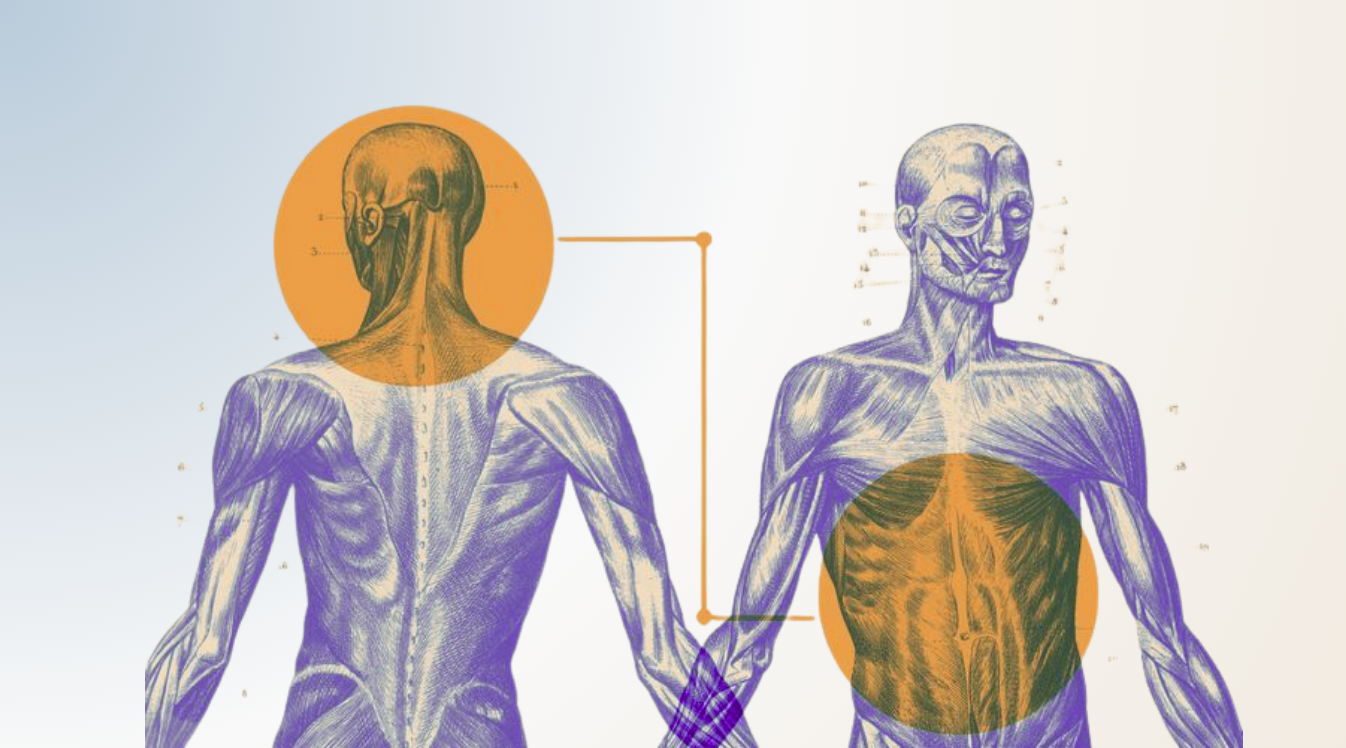
Gut Feelings Are Real: The Gut-Brain Connection Explained
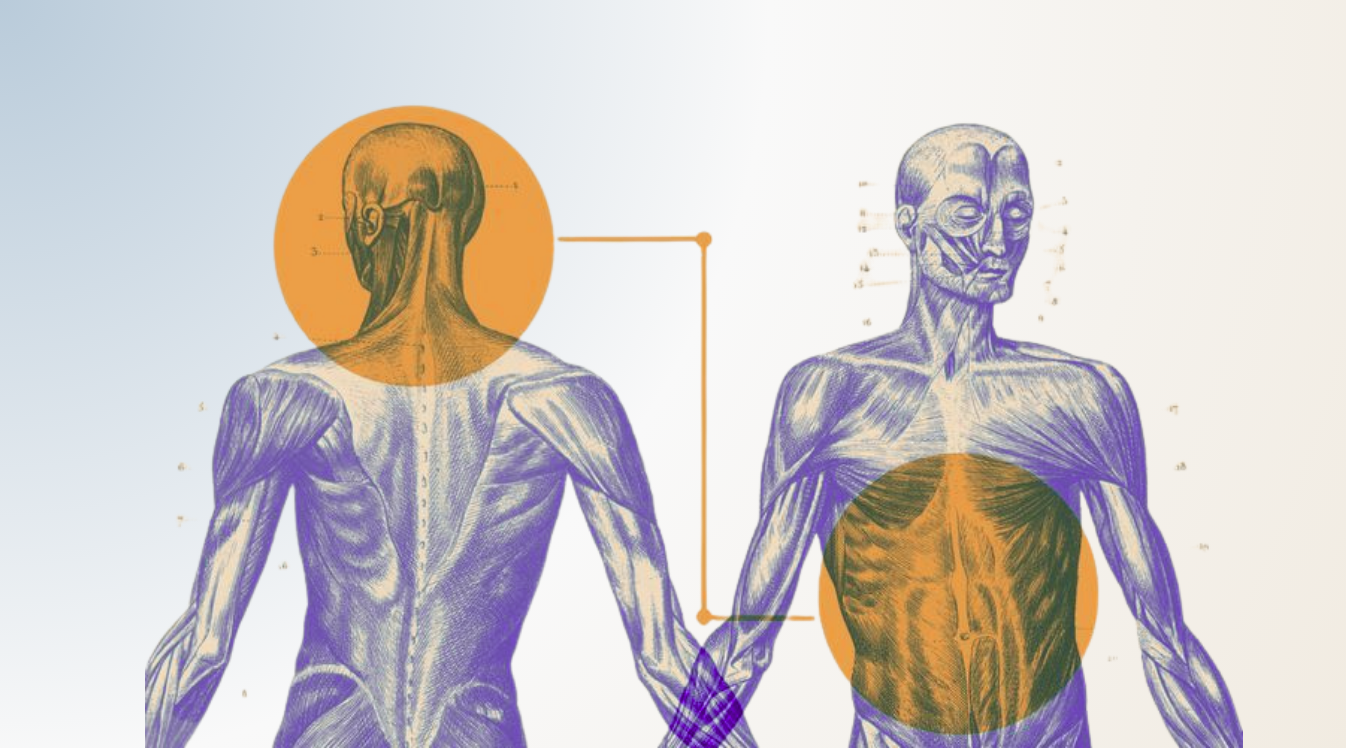
We use the phrase “I have a gut feeling” all the time. We talk about butterflies before a date, nausea before a difficult conversation, diarrhea before a major event, or losing our appetite when we are grieving. Long before most of us knew anything about the gut-brain connection, our language already reflected the idea that emotional experiences can live in the body.
That does not mean every digestive symptom is caused by an emotion. It means the gut and brain are in constant communication, and our physical and emotional experiences are often more interconnected than we realize.
The Gut as the “Second Brain”
The gut has its own nervous system called the enteric nervous system, or ENS.
The enteric nervous system contains more than 100 million nerve cells throughout the gastrointestinal tract. It helps regulate digestion, intestinal movement, sensation, and communication between the gut and the brain.
It is sometimes called the “second brain,” but that phrase can be slightly misleading at first read. Your gut is not thinking or making decisions the way your brain does. Rather, it has an incredibly complex nervous system that can manage many digestive functions while staying in constant communication with the brain. And importantly, that communication goes both ways: Your emotional state can affect your gut, and what is happening in your gut can affect mood, stress, energy, and emotional wellbeing.
…But It’s Not “All in Your Head”
This is one of the most important distinctions. Stress can affect digestion without digestive symptoms being imaginary or psychologically created.
For example, IBS is now understood as a disorder of gut-brain interaction. Changes in how the brain and gut communicate may affect pain sensitivity and how quickly or slowly the muscles in the digestive tract move. These changes can contribute to pain, bloating, constipation, diarrhea, or a combination.
So rather than saying: “Your stomach hurts because you are anxious.”
We might say:
“Your digestive symptoms are real, and your nervous system may influence how your body experiences or responds to them.”
Or:
“Stress may not be the entire cause, but it can turn up the volume on something the body is already experiencing.”
Modern wellness culture often sells constant monitoring as self-care. We are encouraged to track every symptom, optimize every habit, and treat the body like a collection of metrics that can be perfected with enough attention.There’s even “smart toilets” now that analyze your urine and stool and send the data right to your phone. Seriously.
Some information can be helpful. But eventually, caring for the body can start to become constant surveillance of the body. For someone whose body already feels unpredictable, being encouraged to monitor every internal sensation can deepen fear and hypervigilance. That added stress may then amplify the very digestive symptoms they are trying to understand or control. And the cycle continues…
The goal is not to eliminate every uncomfortable sensation. It is to help the body experience something beyond threat, so you can respond to its cues with more clarity: knowing when a symptom needs care, when stress may be contributing, and how to respond without immediately moving into fear.
Finding Safety in Your Body
This phrase can sound vague, especially when someone lives with chronic pain, digestive symptoms, illness, or a body that often feels unpredictable.
Feeling safe in the body does not necessarily mean: “My body feels good all the time.”
It may mean:
“I can experience discomfort without immediately assuming catastrophe.”
Or:
“I trust myself to notice changes, seek help when needed, and care for myself without constantly monitoring for danger.”
Or:
“My body can be uncomfortable without becoming my enemy.”
Safety is not always the absence of symptoms. Sometimes it is knowing that you can stay connected to yourself through discomfort and respond with care rather than panic, shame, or abandonment.
Tracking your symptoms can help people identify patterns and communicate more clearly with healthcare providers. But it becomes less helpful when every sensation requires analysis or every meal feels like an experiment you could fail.
You might ask: Is tracking helping me see patterns, or is it making me afraid of normal variation?
Symptom tracking is most helpful when it supports curiosity rather than constant scrutiny. Instead of reacting to one meal or analyzing every sensation, look for broader patterns over time and consider the full context of your life, including stress, sleep, hormones, routines, and medication changes. Your healthcare provider may also be able to give you pointers on what is relevant information.
The purpose should be finding ways to understand your body so you can better advocate for it.
Medical Gaslighting and Invisible Illness
Digestive symptoms can be painful, disruptive, and life-altering while remaining invisible to everyone else. People may hear: “You look healthy,” “Your tests are normal,” “You are probably just anxious,” “Try relaxing.”
But a normal test does not mean someone is not suffering, and stress being part of the clinical picture should never become a reason to stop investigating symptoms or dismiss a patient. Psychological support and medical care are not mutually exclusive.
Self-advocacy may look like saying:
“I understand that stress may affect my symptoms. What other possible contributors have we explored?”
“These symptoms are affecting my daily functioning. What are the next steps?”
“Can you explain what has been ruled out and what has not?”
“What changes would indicate that I need additional testing?”
“I would like it documented that I raised this concern.”
The experience of being dismissed can carry its own emotional weight. When you have to repeatedly defend the reality of your symptoms, it can leave you feeling anxious, disconnected from your body, or unsure whether to trust yourself. Therapy can offer space to process that impact without reducing physical symptoms solely to psychology. It can help people make sense of the fear, grief, frustration, or loss of trust that may accompany chronic or unexplained symptoms while building a more grounded relationship with the body.
Compassion for a Body at Dis-ease
A compassionate relationship with the body does not mean always liking the body. It does not require gratitude for symptoms. And it does not mean pretending that illness or discomfort has taught us a beautiful lesson. It may begin with loosening the instinct to treat every symptom as evidence that something is wrong or that the body has failed you. Instead of immediately moving into control, correction, or self-blame, it can mean getting curious about what the body may be responding to and what kind of support it needs. The goal is not to romanticize discomfort, but to make room for curiosity and care alongside the desire for relief.
Helpful reframes can look like:
What is wrong with my body? → What might my body need?
How do I control this? → How do I support myself through this?
My body is betraying me. → My body may be responding, protecting, adapting, or communicating, even when I do not fully understand why.
I should be able to handle this better. → Living with ongoing symptoms is difficult, and I deserve support.
My body is too sensitive. → My body may be responding to more than I can see.
I have to fix my body before I can live my life. → I can seek relief and support while still making room for my life.
Listening to the Whole Body
We talk about “gut feelings” as though they are simply intuition, but perhaps they are also a reminder that the body is always participating in our experience. Listening to your gut does not have to mean fearing every sensation or treating every symptom as a warning. It can mean staying curious, seeking care when needed, and learning to meet your body not as a problem to solve, but as a part of yourself worthy of attention, support, and trust. That may mean seeking thorough medical evaluation, asking questions, advocating for yourself, and building a care team that can hold different parts of your experience. It may also mean bringing the emotional impact of chronic or unexplained symptoms into therapy; the fear, frustration, grief, hypervigilance, or loss of trust that can develop when the body feels unpredictable. Emotional support is not a substitute for medical care; it is part of whole-person care.
Curious to explore how your mind and body can heal together? If the cycle of managing a chronic illness while trying to manage your anxiety feels exhausting, you don't have to untangle it alone. I'd love to help you build the kind of nervous system safety that lasts — you can learn more about my approach and book a consultation on my bio page.
Written by Our Kind Therapist Nandini Malhotra, LMHC