Loving-Kindness Meditation: Bringing Care into Everyday Life
Love is one of the ways we come to know that our lives matter. There is a particular comfort in offering care and feeling that there is care for us, too. Loving-kindness meditation invites us to cultivate that tenderness for ourselves, for others, and for all sentient beings.
Known as metta, this practice comes from Buddhist tradition as a way to exercise our capacity for care, and involves intentionally cultivating goodwill toward all beings.
How to Practice Loving-Kindness Meditation
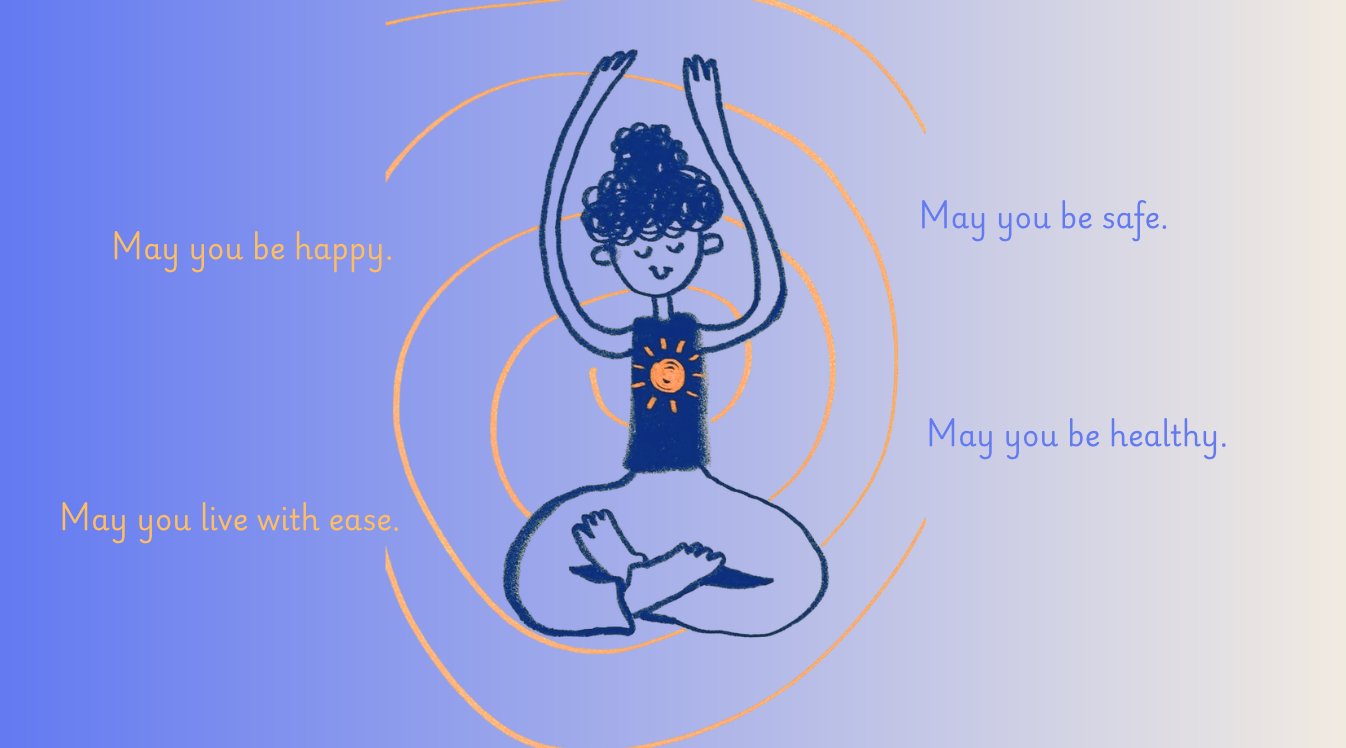
We begin by sitting comfortably and taking a few breaths. We bring to mind someone we love, someone we have a difficult relationship with, someone we feel neutral toward, ourselves, and the world at large. Holding each in mind in turn, we silently repeat wishes such as:
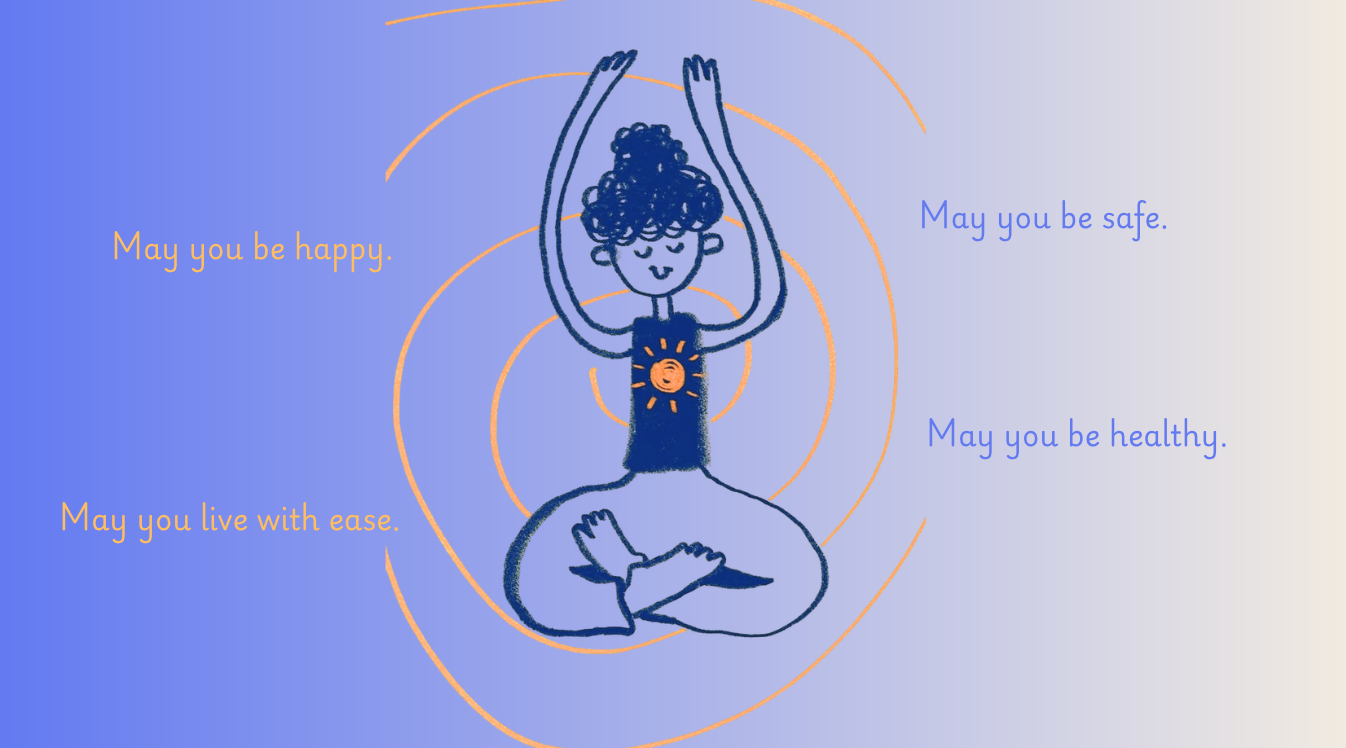
May you be safe.
May you be happy.
May you be healthy.
May you live with ease.
We repeat the phrases slowly, and when attention wanders, we return to the words and the wish behind them. As we visualize different people, we may discover something about how we give and receive kindness.
1. Beginning with Someone You Love
Wishing well to someone we love may come naturally, bringing affection or gratitude closer to the surface. We remember what we cherish about them and how much we want their life to go well. For a few moments, we give that care our attention, without asking anything of them in return.
2. Offering Kindness to Someone Difficult
With someone we find difficult, these wishes may be harder to offer. The practice can invite us to consider the suffering or unmet needs that may exist alongside the behavior that frustrates us. Begin with everyday friction, such as a disagreement with a friend. Wishing them well may help us become curious about what is happening for them while remaining clear about what upset us. Forgiveness and reconciliation are separate, personal choices. Boundaries still matter, and people who have caused serious harm or trauma can be left out of this practice.
3. Making Room for Someone You Barely Know
When we offer the same wishes to someone we hardly know, we are making room for a life we usually see only in passing. The neighbor in the elevator has private worries and people they love. Wishing them safety or ease is a way of honoring that fuller life, even when we know very little about it.
4. Turning Kindness Toward Yourself
When we turn the wishes toward ourselves - May I be safe. May I be happy. May I be healthy. May I live with ease - we may feel relief, or discover how much harder it is to receive the kindness we readily offer someone else. Many of us have grown used to postponing gentleness until we are doing better or have everything under control. Including ourselves in the practice gives our well-being a place alongside everyone else’s.
5. Widening the Circle to All Beings
Finally, we widen the wish to all sentient beings, including people and communities far beyond our own lives. May all beings be safe. May all beings live with ease.
Finding Kinship Beyond the Human
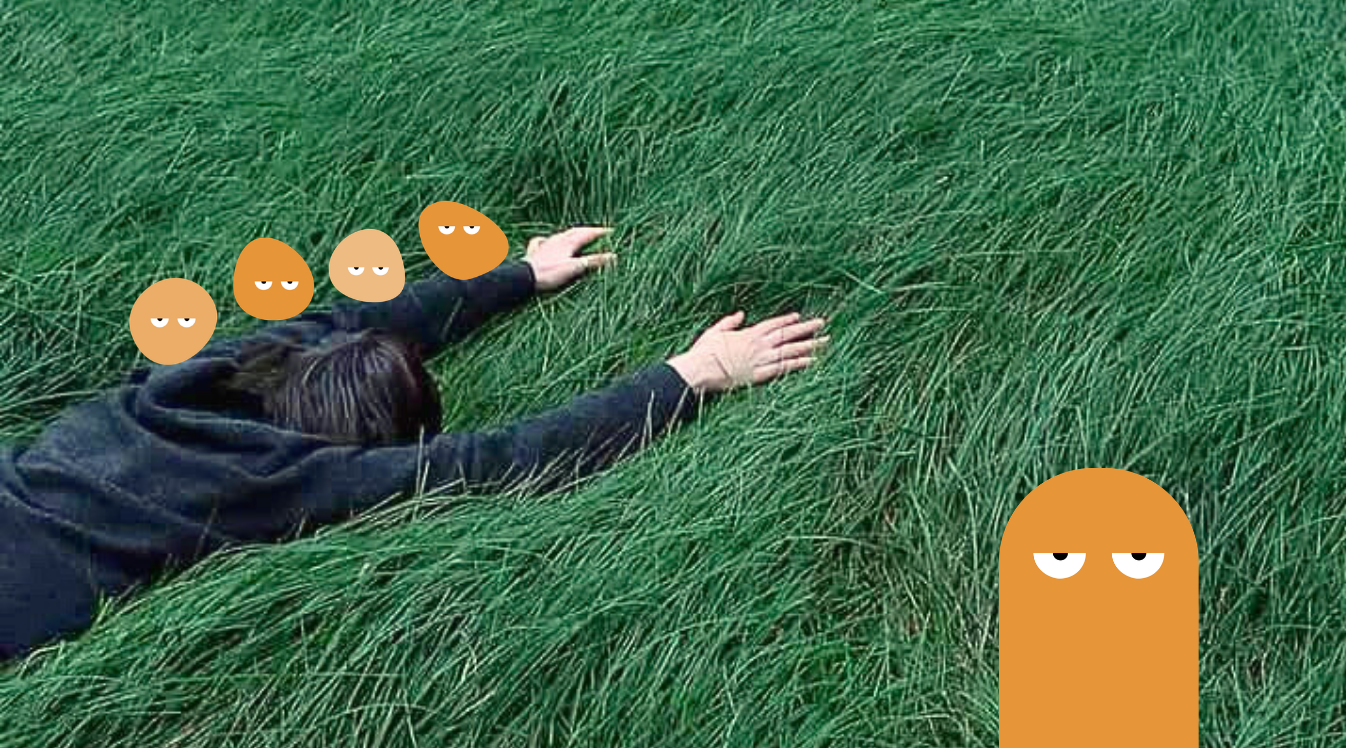
The wish also reaches toward other non-human beings with whom we share the world. “All beings” is a great deal to imagine. Sometimes it helps to sit outside and notice a little of the world these words are reaching toward: birds singing, an insect moving through the grass, the branches of a tree swaying in the wind. Through these encounters, the wish can begin to feel more personal, even as it reaches beyond anything we could fully picture.
Depending on your own beliefs and relationships, this care may also extend to the land and elements, the sun and moon, or your ancestors. Many Indigenous traditions have their own longstanding ways of honoring these relationships. There can be a sense of belonging in offering care this widely: noticing how our lives are sustained by the world around us, and considering how we might care for it in return.
Finding Words That Fit Your Life
There is room to play with the language, finding phrases that speak to your life, your relationships, and the world you hope to help shape. The words can become specific to what you are experiencing, or reach toward what you hope becomes possible for others:
During illness: May I find moments of rest and relief.
When the future feels uncertain: May I meet this uncertainty with patience.
While grieving: May I receive tenderness as I learn to live with this loss.
For communities facing violence or oppression: May you live in safety and freedom.
For peace: May all beings cherish all beings.
For the natural world: May all life have room to thrive.
The language can change as your life changes, making room for what you need, what you cherish, and what you hope to nurture.
Carrying Care into Everyday Life
Sometimes we care deeply but spend little time actually feeling that care. Loving-kindness gives us a chance to pause with it so that those wishes can continue in how we live. May I live with ease might bring our need for rest or support into focus. May you be well might remind us to check in on someone we love, listen more closely, or follow through on an offer to help. Wishing safety and dignity for all beings can also invite us to consider how we participate in advocating for our communities, and preserving the ecosystems that sustain us.
Meditation can help us stay connected to what moves us to offer these acts of care. And showing up can deepen that connection in return: we learn what someone needs, experience what we can accomplish together, and become more attentive to the places we call home. The care we practice in meditation has somewhere to go, and our encounters with the world give us more to bring into the practice.
Robin Wall Kimmerer writes in Braiding Sweetgrass, “All flourishing is mutual.” Loving-kindness offers a way to reflect on this reciprocity: to notice the care that sustains us and consider what we can offer so that others may flourish, too.
Written by Our Kind Therapist Nandini Malhotra, LMHC