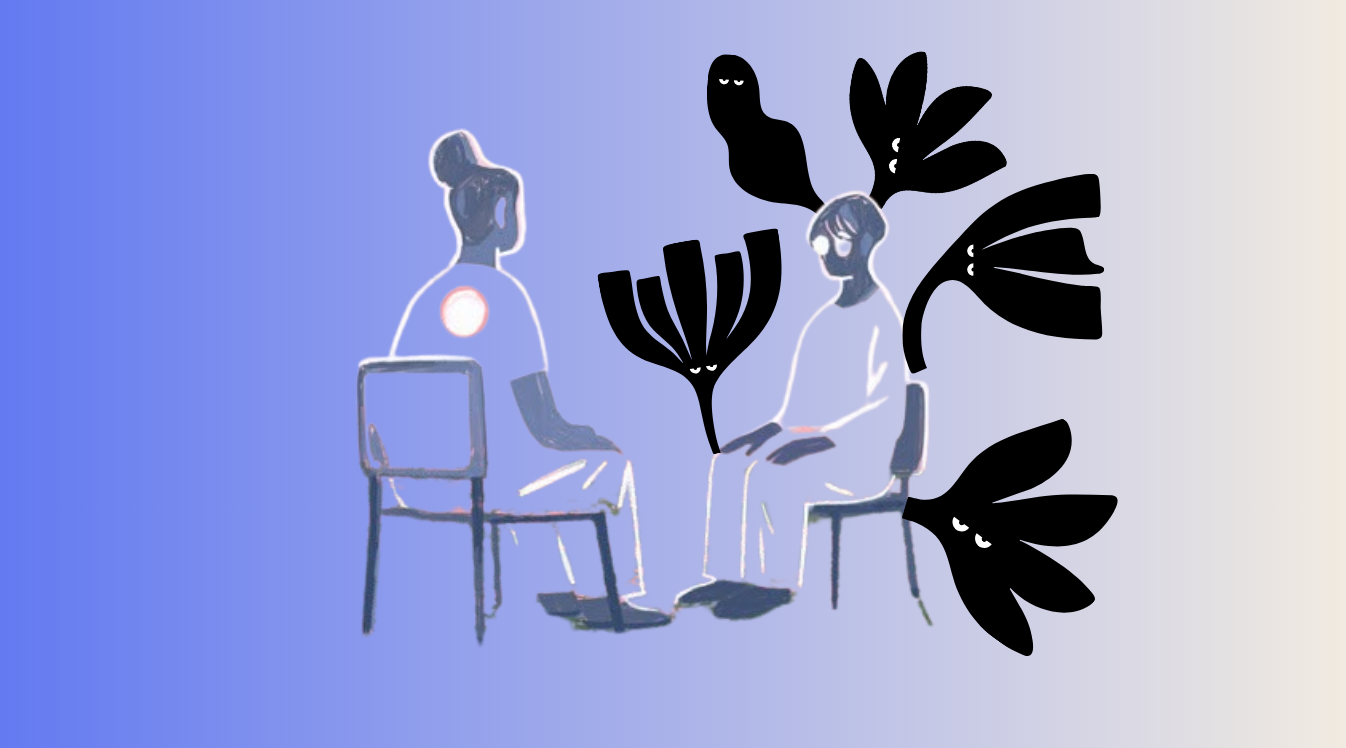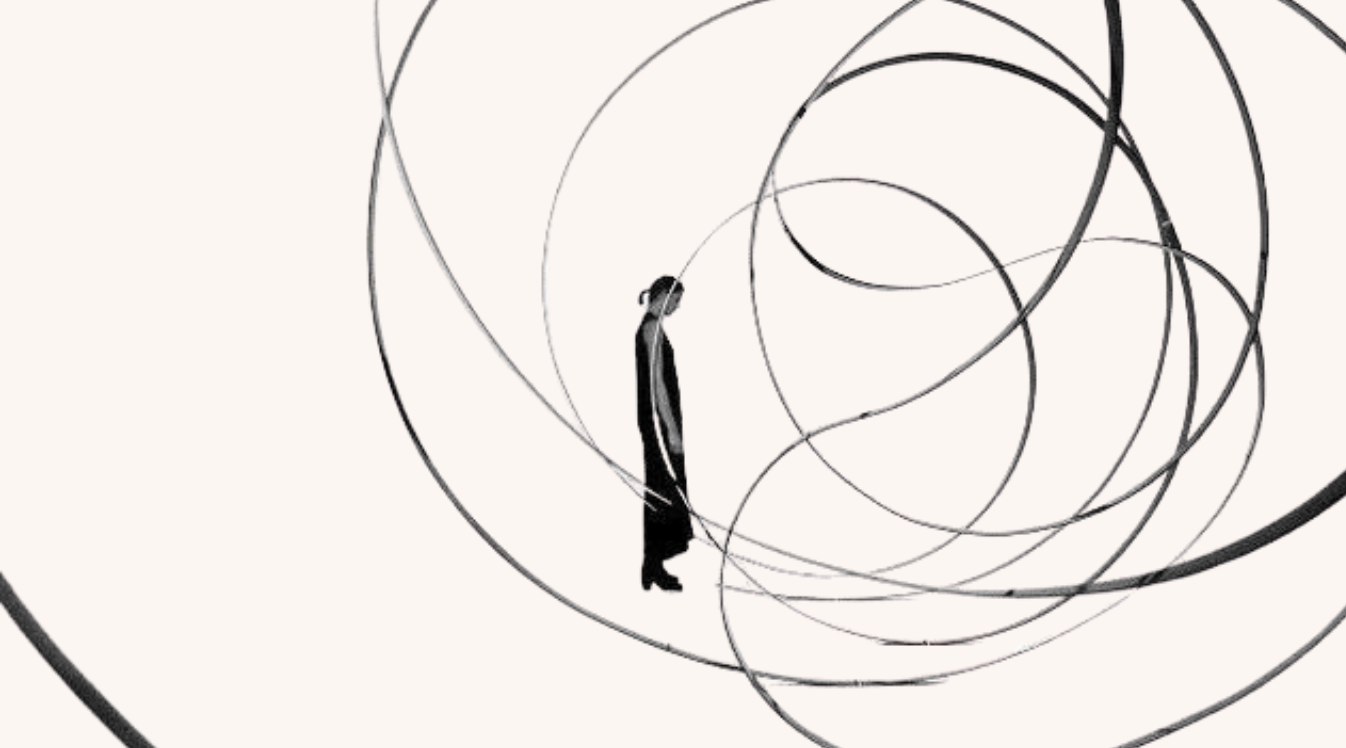
Intrusive thoughts are part of being human. Most of us have had a strange or upsetting thought pop into our heads and then drift away. With OCD, the thought doesn't drift away. It sticks, it feels urgent, and it comes with a strong pull to do something to make it stop.
That pull can take up hours of a day and leave people feeling exhausted, ashamed, or alone with what's happening in their own mind. Many people live with OCD for years before learning it has a name, and that there's a treatment that really works.
Here's what OCD actually looks like, and how Exposure and Response Prevention (ERP) can help.
What OCD actually looks like
OCD has two parts: obsessions and compulsions.
Obsessions are intrusive thoughts, images, or urges that feel unwanted and upsetting. They often go against what a person values most, which is part of why they're so distressing. Common themes include:
Contamination, illness, or germs
Fear of causing harm to yourself or someone you love
Doubts about whether you locked the door, turned off the stove, or made a mistake
A need for things to feel "just right" or symmetrical
Doubts about your relationship, your feelings, or your identity
Fear of having done something morally or religiously wrong
Compulsions are the things you do to ease the anxiety those thoughts create. Some are visible, like washing, checking, arranging, or repeating an action until it feels right. Many are invisible. Mentally reviewing a conversation, praying a certain way, replaying memories, counting, or googling symptoms all count. So does asking for reassurance: "Are you sure I didn't say something wrong?" "Do you promise you're not mad?"
Compulsions bring relief, but only temporarily. That relief teaches the brain that the compulsion was necessary, so the next time the thought shows up, the pull to respond is even stronger. Over time, the cycle can take up more and more space.
One of the hardest parts of OCD is that many people know their fears don't fully make sense. Knowing that rarely makes the urge go away. OCD isn't a problem of logic or willpower, and that's why talking yourself out of it usually doesn't work.
What ERP is and why it works
Exposure and Response Prevention is one of the most researched and effective treatments for OCD, and it works directly on the cycle that keeps OCD going.
There are two pieces:
Exposure means gradually approaching the thoughts, situations, or feelings that trigger your obsessions, on purpose and with support.
Response prevention means practicing not doing the compulsion that usually follows.
When you skip the compulsion, the anxiety doesn't get resolved the usual way. You stay with it instead. At first that's uncomfortable. But each time you do it, your brain learns something new: you can feel uncertain or anxious and still be okay, without the ritual.
What makes ERP so powerful is that it doesn't ask you to argue with your thoughts or prove them wrong. It helps you change your relationship to them. The goal isn't to never have an intrusive thought again. Everyone has them. The goal is for those thoughts to stop running your life.
What ERP looks like in therapy
ERP is collaborative and paced. You're part of every decision. Here's roughly how it unfolds:
Understanding your OCD. We start by getting curious about your specific patterns: what the obsessions are, what triggers them, and what compulsions you rely on, including the quiet mental ones that are easy to miss.
Building a ladder. Together, we list situations that bring up your fears and rank them from mildly uncomfortable to very hard. Someone with contamination fears might start with touching a doorknob and not washing for a few minutes, and work up from there.
Starting small. We begin near the bottom of the ladder, with something that feels challenging but doable. You stay with the discomfort and resist the compulsion, and we notice what happens.
Practicing between sessions. Much of the progress comes from repeating exposures in your everyday life. We plan these together so they feel manageable.
Moving up over time. As earlier steps get easier, we take on harder ones. You set the pace.
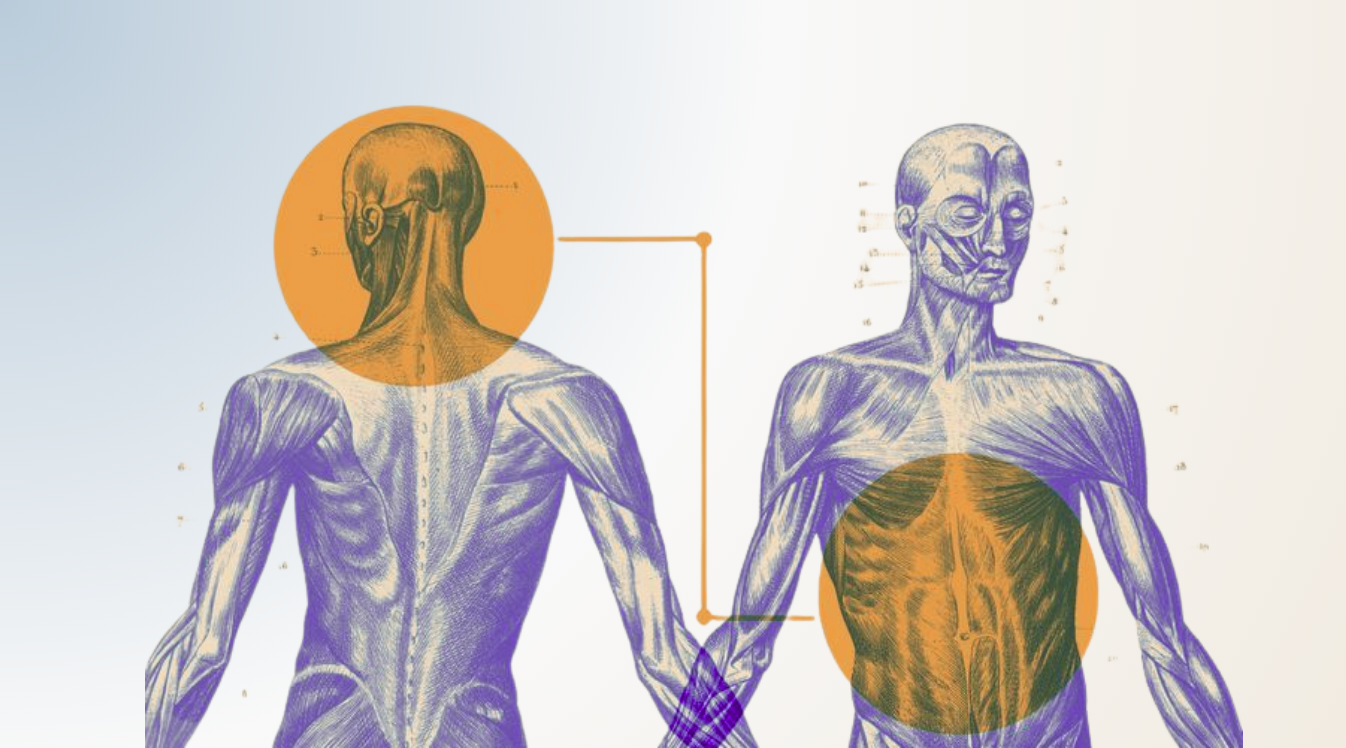
Because my work focuses on the mind-body connection, I pay close attention to what's happening in your body during exposures. Anxiety is a racing heart, a tight chest, an urgent need to do something. Learning to notice those sensations and let them rise and fall on their own is a big part of building confidence that you can handle them.
Common worries about starting ERP
It makes sense to feel nervous about a treatment that involves facing your fears. These are some of the questions I hear most.
"Will you make me face my worst fear right away?" No. ERP starts where you are. We never jump to the top of the ladder, and nothing happens without your agreement.
"What if the anxiety never goes down?" It's a common fear, and a very understandable one. Anxiety does shift with practice, even if it doesn't feel that way in the moment. And part of ERP is learning that you can tolerate discomfort even before it fades.
"What if my thought is actually true?" This question is often OCD itself talking. ERP isn't about proving your fears false. It's about learning to live alongside uncertainty, which is something none of us can fully escape.
"Do I have to stop all my compulsions at once?" Not at all. We work on them gradually, one step at a time.
Getting support
If any of this sounds familiar, I want you to know that OCD is very treatable. The patterns can feel permanent from the inside, but they were learned, and they can change. With the right support, many people find that the thoughts that once controlled their days become much quieter.
If you're curious whether ERP might be a good fit for you, I'd love to connect. You can book a 30-minute complimentary consultation with me.
Written by Our Kind Therapist Hillari Levine, MHC-LP