
Anxiety Therapy in New York
Experiential, Attachment-Based Individual Therapy at Our Kind Therapy
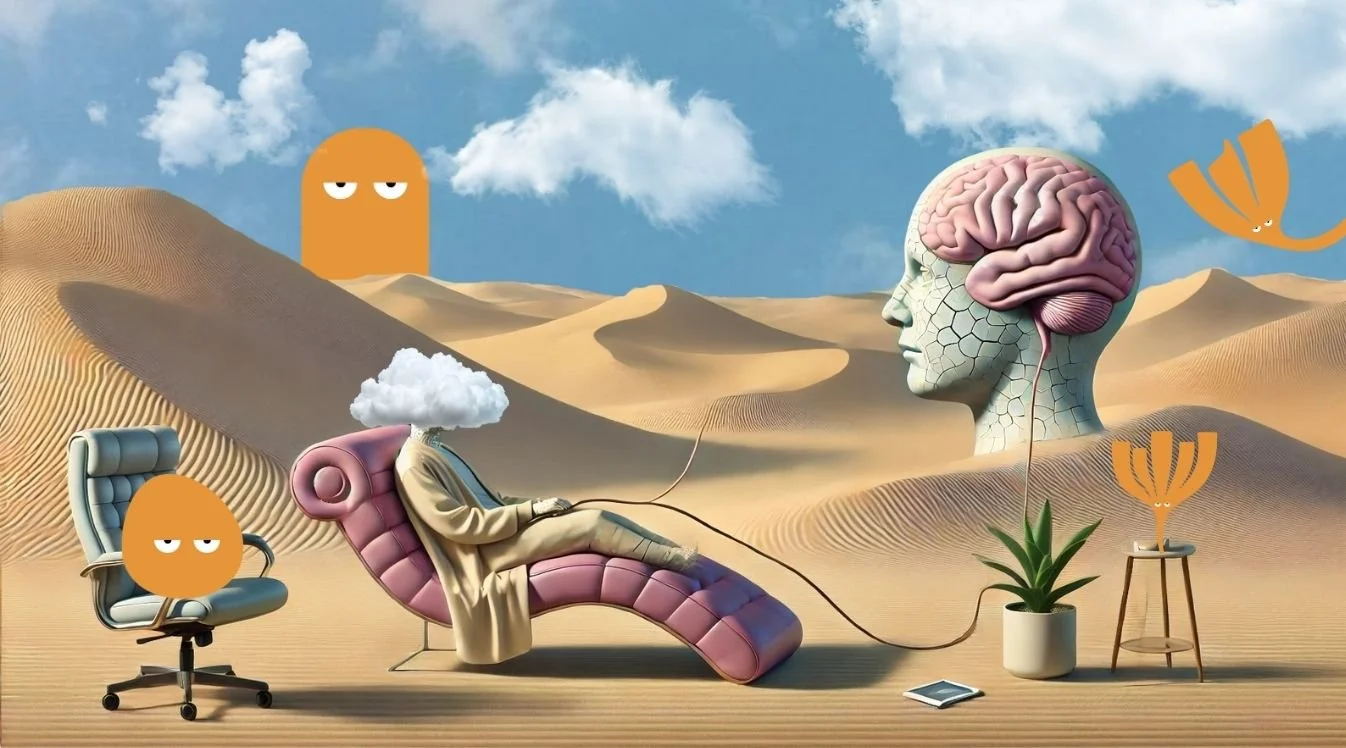
Anxiety is fear that has learned to live in the body. For some people, it feels like constant motion: thinking ahead, doing more, bracing for what might go wrong. For others, it shows up as freezing, pulling inward, or retreating from decisions, relationships, or rest. These expressions may look different on the outside, but they come from the same place: a nervous system that has been operating from a sustained state of heightened fear.
In New York, anxiety often blends seamlessly into daily life. Speed is rewarded. Tension is normalized. High functioning masks how much effort it takes to keep going. Many people don’t realize how anxious they are until their system has been running too hot for too long.
At Our Kind Therapy, we understand anxiety as an embodied experience that has a remedy. Our work focuses on helping the nervous system soften through precise, relational, in-the-moment care. The goal is not symptom suppression. It's a lasting relief that comes from being met accurately and safely, so anxiety no longer has to stay in control.
How Anxiety Often Shows Up
Anxiety doesn’t always look like panic. Many people live with anxiety for years without naming it as such.
You might notice:
Constant mental motion or overthinking
Difficulty slowing down or resting, even when exhausted
Physical tension, shallow breathing, or internal agitation
Feeling frozen when decisions need to be made
Pulling back emotionally or socially under pressure
A persistent sense of urgency or vigilance
These patterns aren’t flaws. They’re signals from a nervous system that learned to stay alert in order to cope. Therapy begins by listening to these signals, not trying to override or eliminate them.
We Treat the System, Not Just the Symptom
Anxiety rarely exists in isolation. While coping strategies can help manage symptoms, lasting change comes from understanding what keeps the anxiety active in the first place.
In our work, anxiety is often sustained by:
Emotional needs that were never met early enough to allow for easy regulation
Unprocessed emotional experiences or memories
Learned beliefs about safety, worth, or closeness in relationships
Chronic self-doubt or low self-esteem
Identity confusion or internal fragmentation
For some people, anxiety lives in one of these places. For others, several are active at once. Effective anxiety therapy involves identifying what’s driving the fear and responding to it directly, rather than treating anxiety as something separate from the rest of your emotional life.
How Anxiety Begins to Shift
Anxiety begins to change when it is responded to in real time.
For many clients, something shifts as early as the consultation or first session. The anxiety may still be present, but the body registers something different. The system begins to experience safety instead of bracing.
In therapy, we’re not trying to convince the mind to calm down. We work with the nervous system directly, through language, attunement, and relational presence. When fear is met accurately and without judgment, the body starts to settle on its own.
Relief doesn’t come from forcing calm. It comes from being met.
How We Work With Anxiety at Our Kind Therapy
Our approach to anxiety therapy is experiential, attachment-based, and clinically grounded. We focus on helping clients feel safe enough in the present moment for anxiety to loosen its grip.
Depending on what your system needs, our work may draw from:
Accelerated Experiential Dynamic Psychotherapy (AEDP) to respond to emotional experience as it unfolds and create corrective moments in real time
Internal Family Systems (IFS) to understand the role anxiety plays and work with it rather than against it
Somatic Experiencing to release fear and tension stored in the body
Narrative Therapy to shift the internal language that keeps anxiety in place
These approaches aren’t used mechanically. They’re guided by what’s happening in the room, moment by moment, and tailored to your nervous system.
What Anxiety Work Often Looks Like in Session
Anxiety therapy often involves:
Gently identifying the emotional root beneath fear
Allowing the body to release stored tension
Creating corrective experiences through being seen and responded to
Supporting emotional completion and integration
When these moments occur, the nervous system learns something new. Safety isn’t explained. It’s experienced.
Coping Skills and Support Between Sessions
We offer regulation tools and coping strategies when they’re helpful. These are introduced and practiced in session, then supported intentionally between sessions.
Coping skills can stabilize anxiety. True reduction and resolution happen in a relationship when fear is met, understood, and responded to in real time. That work changes anxiety at its source.
Fear Changes When It Is Met
At its core, anxiety is fear.
Fear creates distance. It keeps the body on alert and the world at arm’s length. The role of the therapist is not to push fear away, but to hold steady enough for it to soften.
When fear is met with precision, steadiness, and human care, the nervous system no longer has to stay on high alert. Anxiety loses its hold on you.
If you’re seeking anxiety therapy in New York and want work that is both clinically rigorous and deeply human, Our Kind Therapy offers a space where fear can finally rest.
