How Imposter Syndrome Can Block You From Landing Your Dream Clients (And How to Overcome It)
Let’s be real, if you’re reading this, there’s a high chance you’ve felt it too.
That gnawing doubt when you send a proposal.
That whisper of “Who do you think you are?” before a sales call.
That quiet fear that one day, your customers (and the whole world) will figure out you’re not as capable as they thought.
Drum roll please….Welcome to imposter syndrome, and trust us, you’re not alone.
What Is Imposter Syndrome?
First coined in 1978 by psychologists Pauline Clance and Suzanne Imes, imposter syndrome describes the internal experience of believing that you’re not as competent as others perceive you to be. Despite achievements, education, or accolades, people with imposter syndrome live in a constant fear of being "found out" as a fraud.
It’s not a diagnosis. It’s a deeply human experience, especially common among high-achievers, founders, creatives, and entrepreneurs.
The Stats: You’re (Really) Not Alone
Around 70% of people will experience imposter syndrome at some point in their lives (source: American Psychological Association).
Studies suggest women are more likely to experience imposter syndrome, especially in male-dominated industries.
Yet interestingly, men often internalize it differently, leading to silent self-doubt masked by overcompensation.
Entrepreneurs, in particular, are prime candidates. When you are your brand, your service, your product, every rejection, every failed launch, every "no" can feel like a reflection of your self-worth, not just your work.
How Imposter Syndrome Blocks Your Ideal Customer
Here’s the hard truth: when you doubt yourself, it shows.
You underprice your offers.
You hesitate to pitch to your dream clients.
You overexplain and apologize instead of confidently standing by your value.
You attract customers who undervalue you because you’re unintentionally signaling that you undervalue yourself.
In short? Imposter syndrome is not just an emotional struggle. It’s a business liability.
If you don’t fully believe in the transformation or service you’re offering, how can you expect your dream clients to?
Tools to Overcome Imposter Syndrome
The Good news: Imposter syndrome isn’t a life sentence. It can be overcome, and you can be bailed out of jail.
Here’s how you start shifting it:
1. Name It to Tame It
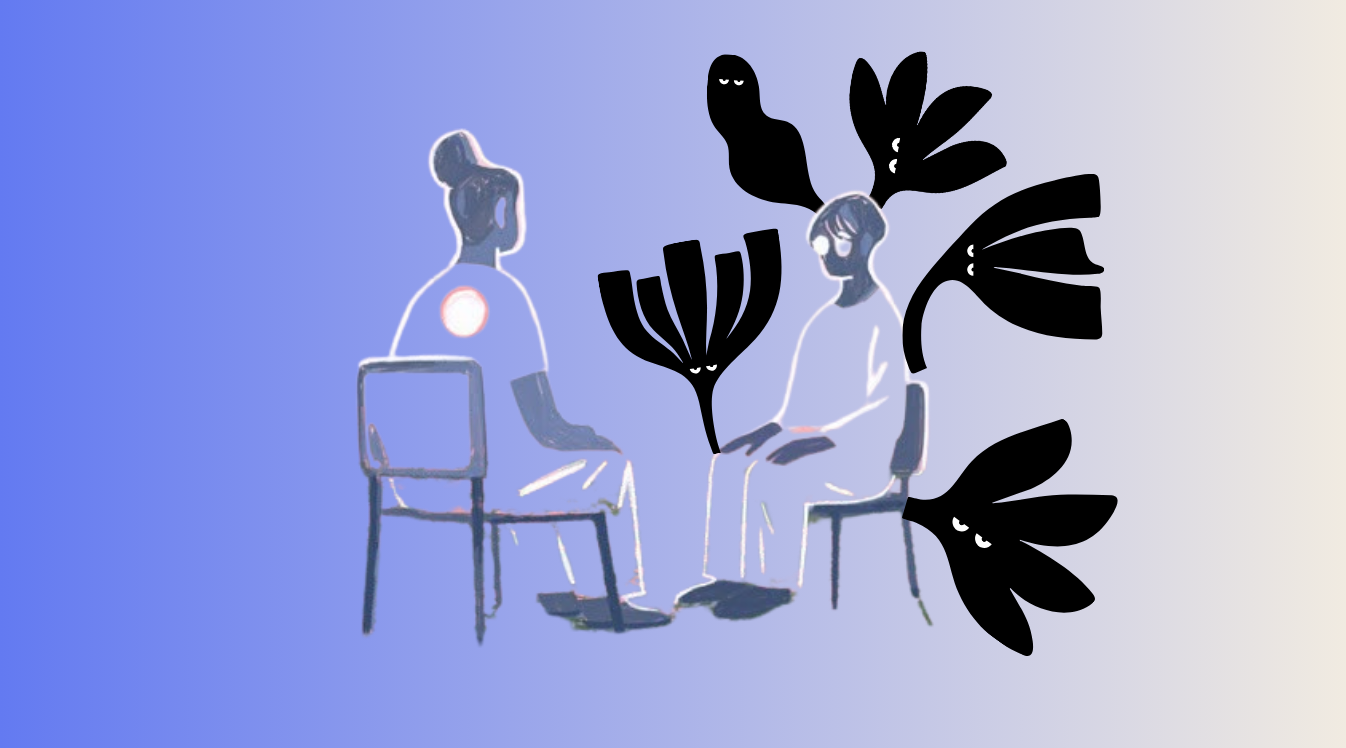
Awareness is the first step. Notice when that critical inner voice shows up. We like to call this the inner critic, and boy oh boy, do we hate it. It helps to personify this voice, give it a name, describe what it looks like (draw it out), and label it.
Label it: "This is imposter syndrome speaking and my inner critic." By labeling the voice, you create a degree of separation between your power and your thoughts.
2. Reframe the Fear
What if feeling doubt doesn’t mean you’re unqualified? What if it just means you’re growing? Every time you stretch into new territory, your brain sounds alarms. Growth feels like fear sometimes; that’s why it is called growing pains.
3. Affirmations That Actually Work
"I am allowed to occupy this space."
“I deserve a seat at the table”.
“I am worthy of success."
"My work brings value, even if I don’t feel 100% ready."
"I can lead with curiosity instead of perfection."
4. Therapy and Founder-Focused Support
Working with a therapist (especially one trained in AEDP, like our team at Our Kind) helps dismantle the deeper emotional roots of imposter syndrome. Therapy helps you build self-trust from the inside out so you can sell, lead, and grow with unshakable confidence.
TLDR: You Belong Here
Every founder, coach, creative, and entrepreneur you admire has wrestled with imposter syndrome. It’s not a sign you’re failing. It’s a sign you’re daring to dream bigger than your fear, high-five!
You don’t need to "feel ready" to land your ideal customer or your dream job.
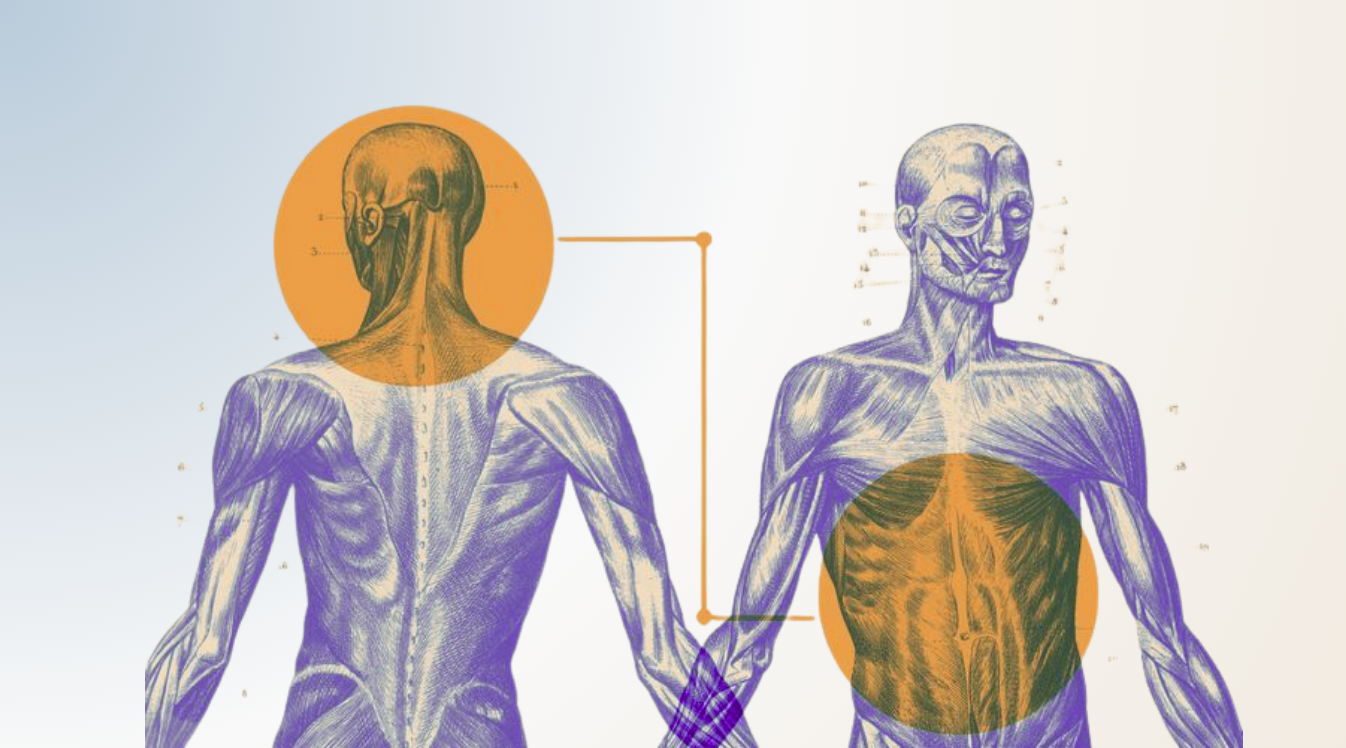
All you need to do is dream it, believe it (that means embodying the feeling states of that futuristic version of yourself) and achieve it. And if you feel your imposter syndrome creeping in, use a somatic release like clapping, shaking or chef’s kisses to say out loud “Thank you for sharing, but I have greater visions to focus on.” The universe will thank you by keeping you on the right path and, by living in your energetic field, you will attract the right clients your way.
If you are looking to overcome imposter syndrome in deep connection with another human, work with one of our therapists at Our Kind.
Written by Alysha Malik.

Learn how sex therapy supports individuals and couples in understanding intimacy, desire, and emotional safety so closeness can feel connected rather than pressured or performative.
Explore how career loss creates identity grief, why failure can feel emotionally destabilizing, and how therapy helps integrate loss without rushing meaning or reinvention.
Couples therapy helps partners understand conflict, restore emotional safety, and rebuild connection when communication, intimacy, or trust feels strained.
Individual therapy offers a supportive space to slow down, understand emotional patterns, and rebuild internal steadiness while navigating stress, relationships, and life transitions.
Learn how family pressure develops through care, loyalty, and expectation, how it shapes self-silencing over time, and how therapy helps restore voice without severing connection.
Examine how firstborn pressure forms through early responsibility, how it shapes identity and self-sacrifice over time, and how therapy helps restore choice beyond the role you learned to carry.
Explore how boundary issues and people-pleasing develop through attachment and early relationships, why limits can feel unsafe to hold, and how therapy helps restore self-respect without losing connection.
Learn how religious questioning affects identity, belonging, and emotional safety, why doubt can feel so isolating, and how therapy supports honesty without judgment or pressure.
In this article, you’ll explore how intergenerational trauma is carried through family roles, loyalty, and unspoken expectations, and how therapy helps release inherited burdens without rejecting your lineage.
In this article, you’ll find space to name how racialized experience shapes the nervous system, relationships, and self-worth, and how culturally attuned therapy supports BIPOC clients without minimizing identity, history, or emotional reality.
This piece explores how living across cultures shapes identity, belonging, and emotional safety, and how bicultural identity therapy supports integration without asking you to choose or simplify who you are.
This article examines how immigrant and first-generation experiences shape identity, loyalty, pressure, and emotional safety, and how culturally attuned therapy supports integration without forcing separation from family or the self.
This article explores how culture and family systems shape identity, belonging, guilt, and responsibility and how therapy supports differentiation without disconnection in collectivist and values-driven families.
In this article, you’ll learn how breakups and divorce affect attachment, the nervous system, and identity, and how therapy supports emotional stabilization and healing after separation.
In this article, you’ll explore why communication breaks down under emotional pressure and how therapy helps conversations feel safer, clearer, and more connected.
This piece explores how pre-marital counseling supports couples in building emotional safety, communication skills, and shared understanding before marriage.
Dating patterns therapy explores why certain relationship dynamics repeat over time and how attachment-based work helps dating feel clearer, steadier, and more emotionally grounded.
Infidelity and trust issues therapy focuses on repairing emotional safety after betrayal, helping individuals and couples regain clarity, stability, and self-trust following a rupture.
This piece examines how cultural and religious differences shape intimacy, communication, and trust in relationships, and how therapy supports partners in navigating loyalty, values, and emotional safety together.
Explore how ethical non-monogamy and open relationships surface attachment needs, jealousy, and uncertainty, and how therapy supports emotional safety without pressure to decide.
Learn how blended families create unique emotional and attachment challenges, where strain commonly arises, and how therapy supports stability, belonging, and repair across the family system.
Explore the transition into parenthood and how therapy supports individuals and couples in making sense of identity, emotional, and relationship shifts that arise when becoming a parent.
In this article, discover how relational and sexual trauma therapy helps individuals and couples rebuild trust, agency, and emotional safety in intimacy at a pace that respects the body’s protections.
Learn how Our Kind Therapy supports family planning and fertility-related stress for individuals and couples by helping them navigate hope, uncertainty, and decision-making with greater emotional steadiness and self-trust.
Financial alignment therapy helps couples talk about money with clarity, fairness, and emotional safety instead of conflict, avoidance, or power struggles.
In this article, explore how LGBTQ-affirming therapy offers a supportive space to explore identity, emotional safety, and life stressors without pressure to define, disclose, or perform.
Learn how attachment wounds shape how safe closeness and trust feel in relationships, and therapy helps these patterns soften through steady, relational work rather than self-correction.
This specializations page explores relationships and intimacy therapy for individuals and couples, focusing on patterns of closeness, conflict, trust, and emotional safety over time.
Discover how self-worth becomes tied to achievement in ambitious careers, why success alone does not stabilize it, and how therapy helps restore a steady internal sense of value.
Examine why career burnout persists in high-performing professionals, how internal pressure exhausts the nervous system, and how therapy supports recovery without sacrificing ambition.